GM Recall Covers 67,380 Blazer EV and Cadillac Models Over Brake Software Fault
A software update targets a low speed braking fault in select Blazer EVs and Cadillac Lyriqs, Vistiqs and Celestiqs.
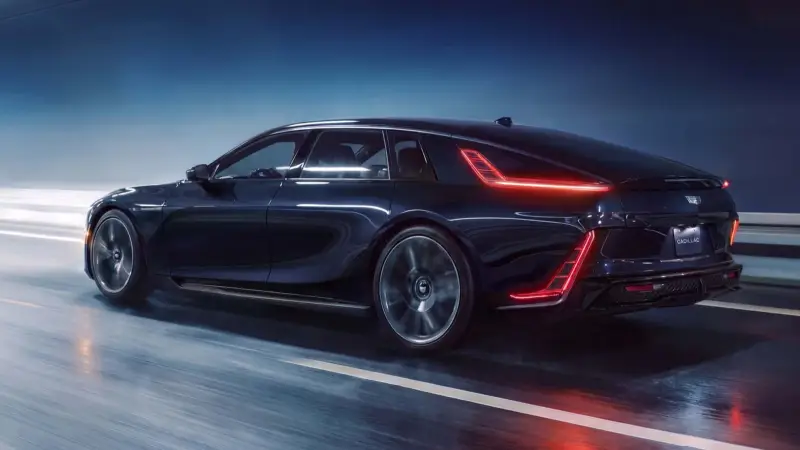
General Motors is recalling 67,380 Chevrolet and Cadillac electric vehicles to correct a software fault that can briefly interrupt braking in a narrow set of driving conditions. The affected vehicles span the Blazer EV, Lyriq, Vistiq and Celestiq, but eligibility varies by model year, trim and drivetrain. The incidents reported to GM include 20 minor crashes, two of which caused minor injuries. Those figures describe the reported cases, not a measure of how often an owner should expect the fault to occur.
The fault can appear when a vehicle is moving slowly, the brakes are lightly applied through a sharp turn, and the vehicle crosses a bump or dip. A driveway entrance is one example, where the turn and uneven pavement can coincide. Under that combination, a momentary release and reapplication of the brakes can confuse the system’s calculation of wheel slip. The result may be a temporary loss of braking; applying the brakes again should restore normal function. The narrow trigger matters, but a brake interruption in ordinary parking or driveway maneuvering is still a serious defect.
That scenario can arise during routine low speed driving, including turning into a driveway over uneven pavement. GM’s remedy is a software update to the brake system control module, the part responsible for the calculation at issue. Owners who’ve opted in to over-the-air updates can receive the fix remotely; others will need a dealership visit to have the software installed. The difference affects how owners get the repair, not whether their vehicle is included.
Which models are included
Cadillac Lyriqs make up the largest share of the recall. The affected totals are 474 from the 2023 model year, 22,819 from 2024, 11,926 from 2025, 9,322 from 2026 and 44 from 2027. These are counts for the vehicles included in this action, not totals for every Lyriq built in those years. The spread across multiple model years also means a vehicle’s age alone won’t establish whether it’s covered.
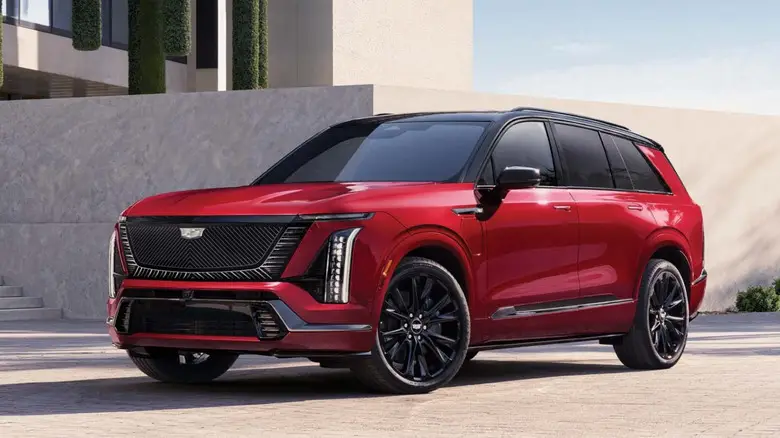
The recall also covers 13,627 2026 Cadillac Vistiqs and 5,175 2027 Vistiqs. For the low volume Celestiq, it includes 51 vehicles from 2025 and 31 from 2026. Those small totals offer a limited view of how many Celestiqs are represented in this particular recall population, though they shouldn’t be treated as a complete production or sales tally. A recall count answers a narrower question: how many vehicles GM identified for this repair.
Chevrolet’s portion is limited to Blazer EVs in the SS and Police Pursuit Vehicle trims: 562 from 2024, 2,012 from 2025, 1,314 from 2026 and 23 from 2027. Two wheel drive Cadillac Lyriqs aren’t included. That variation by configuration makes the model name an unreliable shortcut for checking coverage. Buyers and current owners should look up the vehicle identification number, or VIN, instead of assuming that every vehicle with the same badge is affected.
A second software action for some Lyriqs
This is the second related software action affecting certain all wheel drive Lyriqs. GM recalled 21,469 of them in 2024 over a similar braking issue. The company’s latest investigation found that vehicles with software changes made after that action, including vehicles that had already received its update, could still encounter the condition described in the current recall. That history raises a practical question about how the earlier repair performed in the field, though the information here doesn’t establish how many vehicles experienced the fault after that update.
The new update revises the slip calculation used by the brake system control module. That calculation helps the vehicle interpret wheel movement; during the described low speed turn over a bump, the earlier logic could misread the situation and briefly interrupt braking. Similar software controlled systems depend on interpreting changing sensor inputs correctly, especially when braking, steering and uneven surfaces overlap. The earlier update was also intended to address the calculation, so the key question for affected owners is whether the latest software resolves the remaining vulnerability. This is more significant than it looks: a repair that depends on revised software has to work across the specific conditions that exposed the earlier weakness.
What owners should watch for
Owners can check their VIN through the vehicle lookup on the NHTSA website. GM estimates that owner notifications will begin December 14, while dealers have already been notified. If you’re working out whether a vehicle is covered, the VIN lookup is more useful than comparing model names or years because the recall is limited by trim and drivetrain as well as model year.
Until the update is installed, drivers of affected vehicles should keep the described conditions in mind. If braking is briefly interrupted, the reported corrective action is to press the brake again; the long term fix is the latest software update. Don’t mistake the narrow trigger for a reason to dismiss the issue. A brief interruption at low speed can still catch a driver off guard, particularly during a turn where the vehicle is crossing uneven ground.
And there’s a broader lesson in this recall (and this is the part most people overlook): software updates can change how a vehicle responds to a physical event, but the repair still has to be delivered to each eligible vehicle and verified by owners. The affected population spans several model years and configurations. The remedy is software, but the follow through is concrete. Until the latest update is installed.