Seven Hybrid Vehicles Rated Below 20 MPG, From the Tundra to the Revuelto
These hybrids trade fuel economy for power, off-road hardware or size, with EPA ratings ranging from 19 mpg for the Tundra to 12 mpg for the Revuelto.
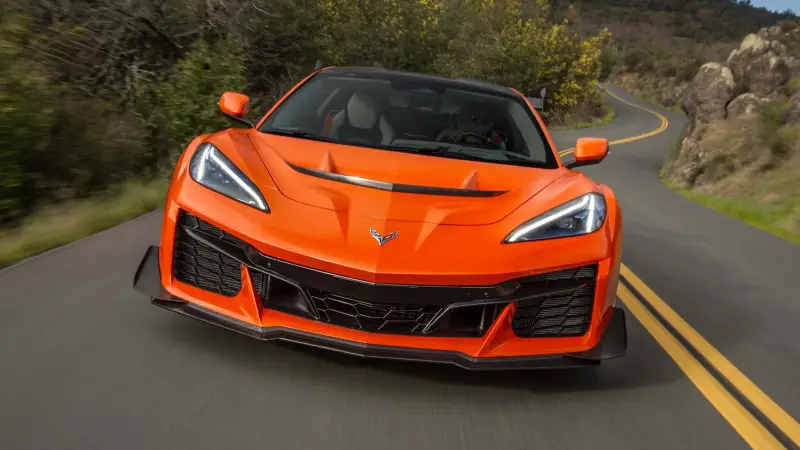
Hybrid badges don’t guarantee low fuel bills. In some vehicles, electrification helps deliver more power; in others, it adds a little efficiency to a large, heavy platform. The seven examples here all fall below 20 mpg combined, according to their EPA ratings. The 2024 model-year average for new vehicles of all types was 27.2 mpg, while the latest Toyota Prius is rated at 55 mpg combined.
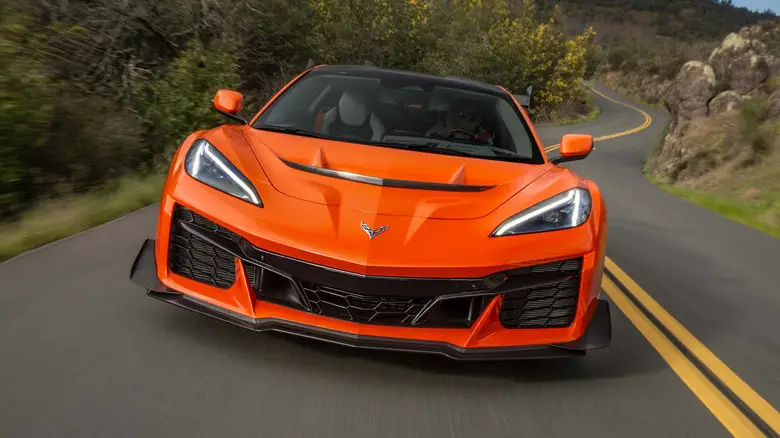
The list spans a hybrid pickup, three high-performance luxury SUVs and two exotic cars. Their systems serve different purposes, so the ratings don’t tell the whole ownership story: space, performance and electric-only driving vary widely. But buyers focused on fuel economy will find little help from these particular hybrid setups.
The Tundra is the efficiency leader here
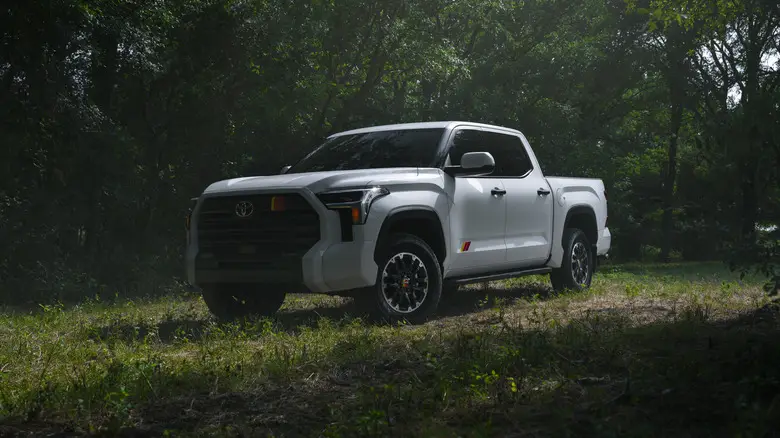
2026 Toyota Tundra i-Force Max TRD Pro: 19 mpg
The 2026 Tundra TRD Pro is the only vehicle in this group rated above 16 mpg. Most Tundra trims with the twin-turbocharged 3.4-liter V6 and hybrid system clear 20 mpg, but the TRD Pro’s off-road equipment likely accounts for its one-mpg disadvantage. For a three-ton pickup, 19 mpg is the best result on this list, though it still trails the broader new-vehicle average.
The system’s strengths are output and torque. Toyota rates the combined powertrain at 437 horsepower and 583 lb-ft, compared with a maximum 381 horsepower from the previous-generation Tundra’s V8. An electric motor sits between the engine and transmission in a parallel hybrid layout, supporting power delivery while also helping conserve fuel. Toyota’s 2026 Tundra details identify the i-Force Max setup as the TRD Pro’s powertrain.
A hybrid pickup with a modest efficiency gain
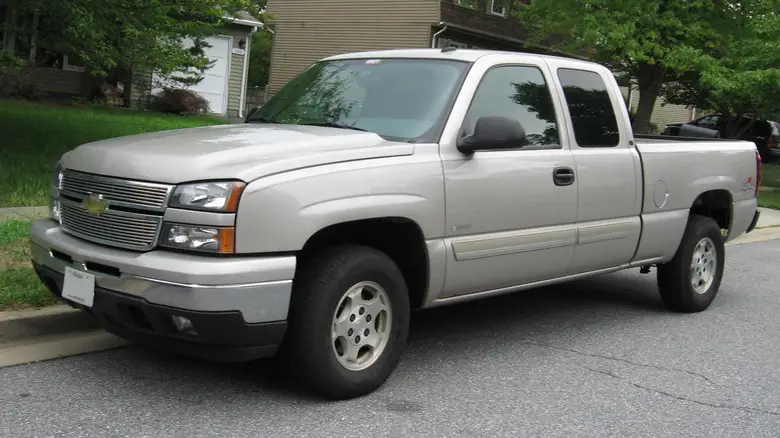
2005 Chevrolet Silverado 1500 Hybrid 4WD: 16 mpg
General Motors’ early hybrid pickup took a different approach. The 2005 Silverado paired a 295-horsepower, 5.3-liter V8 with an electrical system designed to support stop-start operation and save fuel, rather than drive the truck. The extended-cab model came with rear-wheel or four-wheel drive. EPA ratings were 17 mpg for rear-wheel drive and 16 mpg for four-wheel drive, an improvement of roughly one to two mpg over the non-hybrid V8.
GM also offered the system in the GMC Sierra, but reported production for the Silverado and Sierra hybrids was about 3,000 vehicles. A more efficient hybrid system arrived for the 2009 model year, alongside an electrified Cadillac Escalade.
Three German SUVs prioritize speed and space
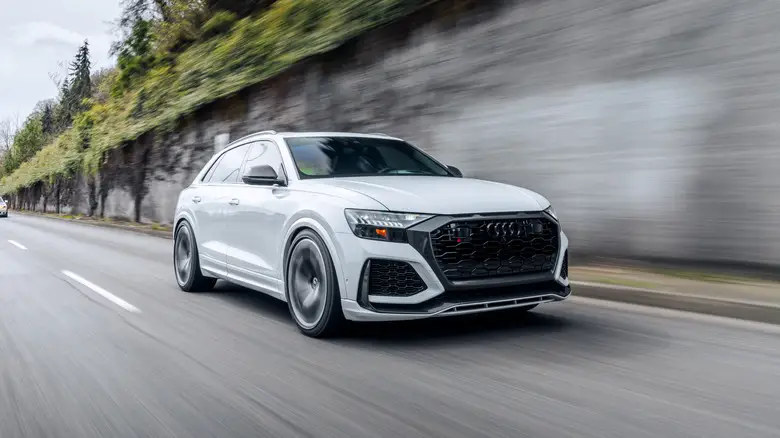
2024 Audi RS Q8: 15 mpg
Audi’s RS Q8 combines a twin-turbocharged 4.0-liter V8 with a mild-hybrid system. Its 591 horsepower comes with a 15-mpg EPA rating, compared with 19 mpg for the standard Q8. The mild hybrid recovers braking energy but can’t move the SUV on electric power alone. The payoff is strong acceleration: Audi quotes a 0-to-60-mph time as low as 3.2 seconds.
Unlike a two-seat performance car, the RS Q8 keeps room for everyday use, with seating for five, standard all-wheel drive and up to 60.7 cubic feet of cargo capacity. For 2025, Audi raised output to 631 horsepower and the fuel-economy rating to 16 mpg.
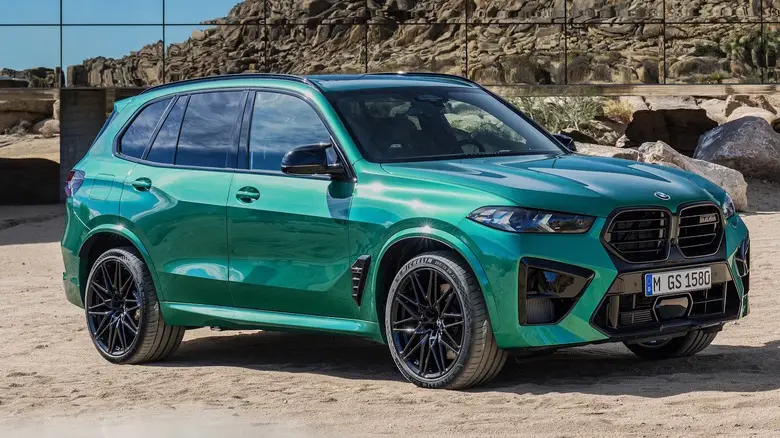
2026 BMW X5 M Competition: 15 mpg
BMW matches the Audi’s 15-mpg rating with the X5 M Competition. Its twin-turbocharged 4.4-liter V8 produces 617 horsepower, assisted by a mild-hybrid system. BMW quotes 3.4 seconds to reach 60 mph. Top speed is 155 mph, rising to 177 mph with the optional driver’s package.
The five-seat X5 M includes standard all-wheel drive and driver assistance features, with up to 72.3 cubic feet of cargo space—more than the RS Q8 offers. Since 2024, X5 M models have carried the Competition name; the related X6 M is also rated at 15 mpg.
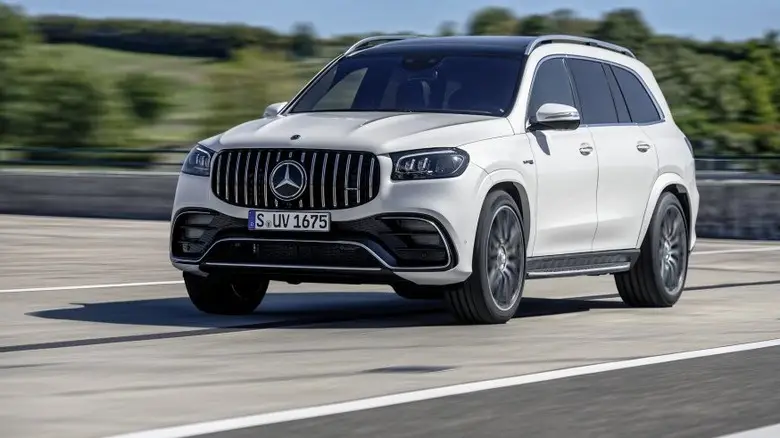
2022 Mercedes-AMG GLS 63: 15 mpg
The 2022 GLS 63 shares the German SUVs’ 15-mpg rating, but brings three rows and up to 84.7 cubic feet of cargo capacity. Its twin-turbocharged 4.0-liter V8 and mild-hybrid system produce 603 horsepower, sent to all four wheels. Mercedes quotes a 3.6-second 0-to-60-mph time and a 174-mph top speed.
At about 6,000 pounds, it’s the largest of the three. The cabin’s practical details include 41.9 inches of second-row legroom and 34.6 inches in the third row. The GLS 63 remains on sale in 2026 with a 17-mpg rating, making the 2022 version the less efficient example.
Exotic performance brings the lowest ratings
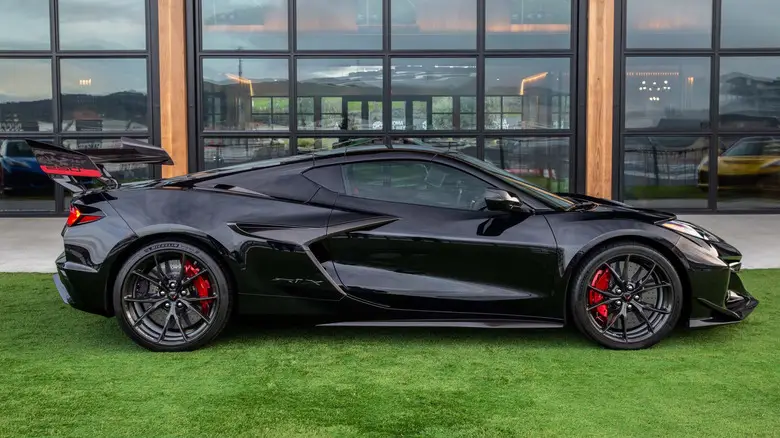
2026 Chevrolet Corvette ZR1X: 14 mpg
Chevrolet’s 2026 Corvette ZR1X uses hybrid hardware to reach a combined 1,250 horsepower. A twin-turbocharged 5.5-liter V8 makes 1,064 horsepower, while a 186-horsepower electric motor drives the front axle. An eight-speed dual-clutch automatic sends power to all four wheels. EPA fuel economy is 14 mpg; Chevrolet quotes a 2.1-second sprint to 60 mph.
The optional ZTK Performance Package is quoted to cut that time to 1.89 seconds and adds carbon-fiber aerodynamic parts, magnetic ride control and upgraded Michelin run-flat tires. The car starts above $200,000, and choosing most options can push the coupe into quarter-million-dollar territory. The convertible adds another $10,000.
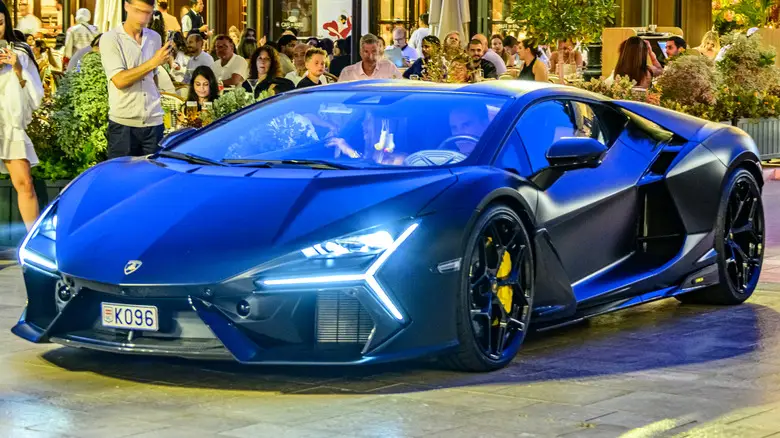
2026 Lamborghini Revuelto: 12 mpg
The Revuelto records the lowest rating: 12 mpg. It’s a plug-in hybrid, but its 3.8-kWh battery provides about five miles of electric range. Owners can recharge it by plugging in, through regenerative braking or using engine power.
Three electric motors—two for the front wheels and one assisting the rear drivetrain—work with a 6.5-liter V12 for 1,011 combined horsepower. Lamborghini quotes 2.2 seconds to 60 mph and a 217-mph top speed. With a starting price above $600,000, the Revuelto sits at the extreme end of the trade-off represented across this group: hybrid technology can support electrified driving, but here its bigger role is helping deliver exotic-car performance.