2027 Chevrolet Trax Price Rises to $25,495 as Standard Equipment Expands
The Trax drops its LS trim and adds larger displays, updated lighting and more driver assistance features as its starting price climbs to $25,495.
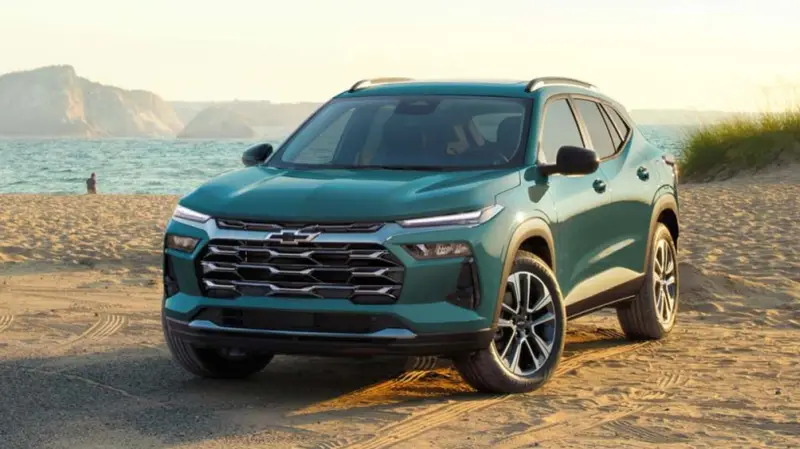
The 2027 Chevrolet Trax starts at $25,495 including destination, up $2,000 from the previous model year. That increase looks steep in percentage terms, but Chevrolet has also removed the LS, the former entry trim, and made the better-equipped LT the new starting point. The change reflects two things at once: a higher price to enter the range and more equipment included at that price. Buyers who compare only the old and new starting figures will miss that shift; buyers who simply need the lowest possible sticker price will feel it immediately.
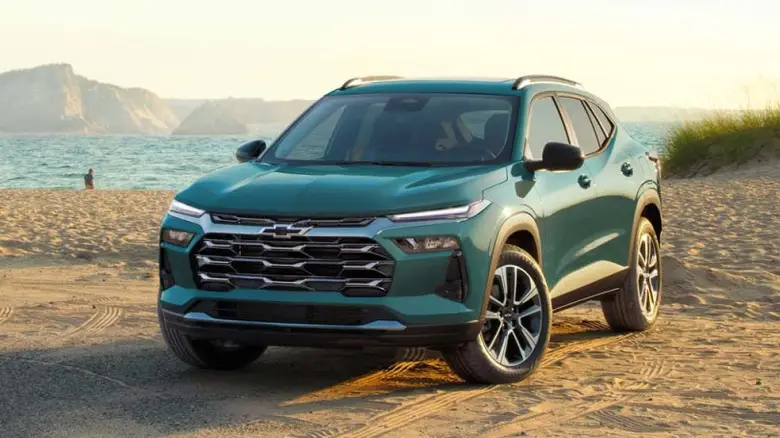
A simpler lineup, with a higher floor
Chevrolet has reduced the Trax lineup from five trims to three. The LT starts at $25,495, while the Activ and RS each start at $28,295. The RS now comes as a single trim rather than the previous 1RS and 2RS versions. For shoppers comparing sticker prices, that makes the updated range simpler to navigate, though there’s no longer a lower-priced LS at the bottom. Fewer versions can make the decision easier, but simplicity doesn’t erase the cost of the missing entry trim.
The two higher trims begin $2,800 above the LT. That gives shoppers a clear price step, but the available information doesn’t spell out how the Activ and RS differ in equipment. A name or a price alone can’t tell buyers which version best fits their needs. They’ll need the full specifications before deciding whether either trim earns its premium.
What the higher starting price buys
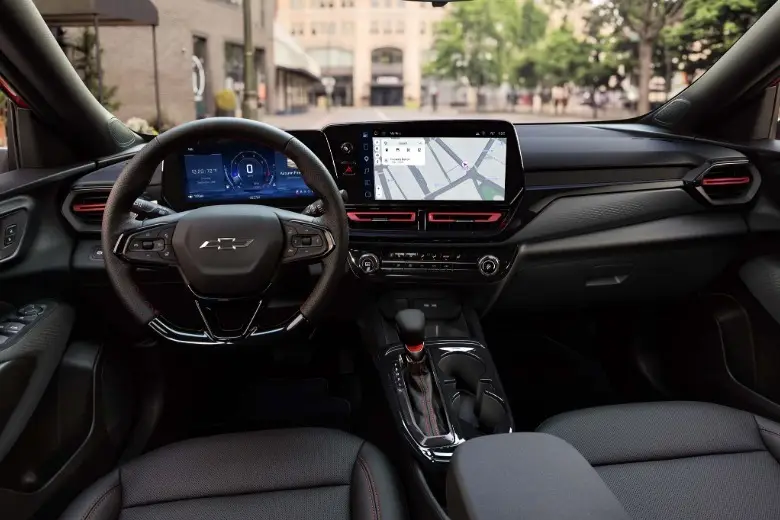
The LT’s new standard cabin equipment is a substantial part of the change. Every 2027 Trax gets an 11-inch digital gauge cluster and an 11.3-inch center infotainment screen with Google Built-in. The previous LS used analog gauges, and even higher trims had an 8-inch gauge display. Drivers moving up from the old base model will see the difference immediately in the instrument panel and the amount of screen space available for vehicle information and infotainment.
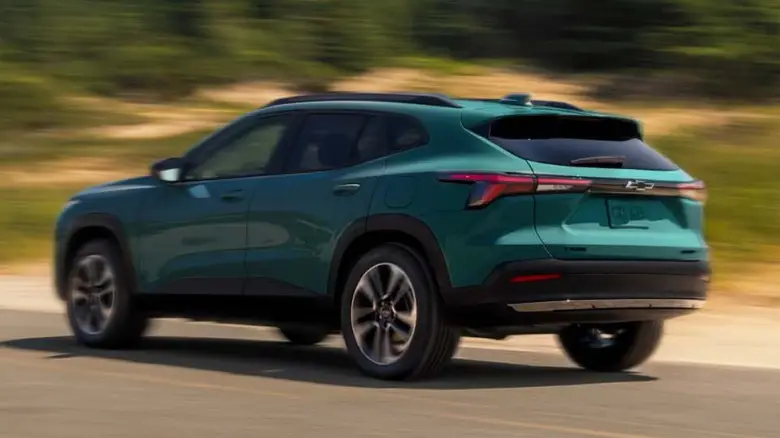
That’s a meaningful change to the cabin’s daily interface, not just a spec sheet upgrade. Larger displays can make information easier to see, though screen size alone doesn’t tell us how intuitive the menus are or how well the system works in use. The inclusion of Google Built-in also puts that system across the range, so the entry trim no longer asks buyers to accept the old analog setup. For drivers who prefer physical controls or a less screen-centered cabin, the larger displays may be less persuasive.
The exterior also gets a refresh, including new headlights and all-LED taillights. Those updates give the 2027 model a different look, while the larger displays make the most visible change inside. Buyers weighing the price increase will have to decide how much they value those upgrades alongside the equipment added for braking and driver alerts. The lighting refresh may help distinguish the new model, but the source doesn’t describe changes to the Trax’s underlying powertrain or driving character.
Standard features include automatic intersection emergency braking, automated reverse braking, front park assist and rear cross-traffic braking. The Trax also adds a rear seatbelt indicator, Safety Seat Alert and a side bicyclist alert. These systems broaden the standard feature set across the range; the equipment list itself doesn’t establish how each system performs in every driving situation. Similar driver assistance features can be useful in specific circumstances, but their names shouldn’t be mistaken for a guarantee that they’ll prevent every collision or alert the driver in every case.
What the change means for value
The Trax still starts below $25,500, keeping it in the budget end of the small crossover market. But the old LS gave shoppers a lower-cost route into the model, and that option is gone. The new price comparison is between a better-equipped LT and rivals’ entry trims, so shoppers should compare standard displays and driver assistance equipment as well as the headline price. If you’re working in this space, the more useful comparison is the equipment buyers actually get at each price, not the model name alone.
There’s a practical trade-off in trimming the range. Fewer trims can make it easier to understand what separates the versions, while dropping the least expensive one raises the amount buyers need to spend to get into a Trax. The Activ and RS both start at $28,295, a $2,800 step above the LT. The available information doesn’t detail how their equipment differs, so buyers will need the full trim specifications to judge which version offers the strongest value.
Price increases are easier to assess when the equipment change is clear. Here, the Trax gains larger digital displays, refreshed lighting and a broader set of standard braking and alert features as Chevrolet consolidates the lineup. That makes the $2,000 rise more understandable than a price adjustment without a corresponding change in the vehicle, though it won’t suit buyers who valued the old LS chiefly for its lower entry price. The numbers here are underwhelming for anyone whose first priority is getting the cheapest possible new crossover.
And this is the part most people overlook: standard equipment matters only if buyers want those features and would otherwise pay for them. For someone who values the larger displays and added alerts, the LT may represent a more complete starting package. For someone focused on the lowest purchase price, those additions don’t replace the lost option to buy a less expensive Trax. That gap in priorities is what makes the price change feel reasonable to one shopper and frustrating to another.
What buyers should watch next
Chevrolet says the 2027 Trax will be available in spring 2027. Until then, the key question for prospective buyers is whether the LT’s added standard equipment justifies starting higher than the discontinued LS. For drivers who wanted those features anyway, the new base trim may make the price increase easier to absorb; bargain-focused shoppers will have to look at the LT’s full equipment and compare it with other small crossovers before deciding.
The lineup change also makes the eventual trim details more important. Buyers will want to know what separates the Activ and RS from the LT, and whether their additional cost brings equipment they actually value. That said, the basic trade is already clear: Chevrolet has raised the minimum price while improving the standard package. A better-equipped entry point. Whether that’s the right move depends on how much you value the added features against the LS’s lower price.