Chevrolet Impala SS Generations Ranked by Horsepower: From 240 to 425 HP
The Impala SS peaked at 425 gross hp in the 1960s, while later versions traded rear-wheel drive for front-drive layouts and V6 or V8 power.
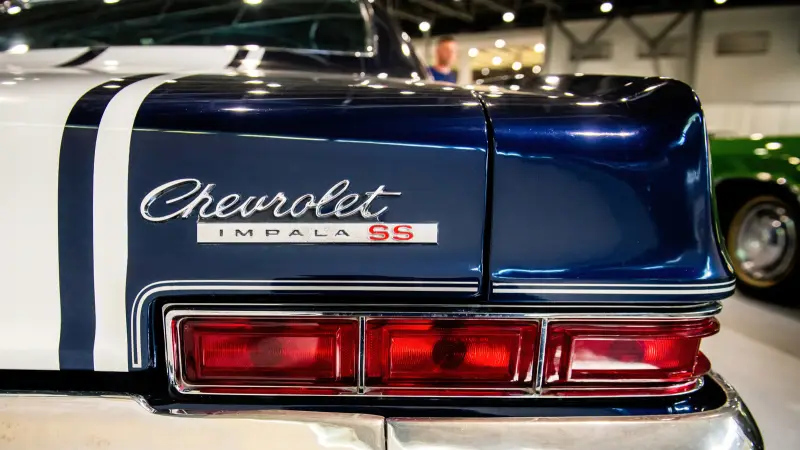
The Impala SS’s horsepower story has two clear peaks: both 1960s generations reached a claimed 425 hp, while the later versions topped out at 303 hp. Those figures need context, though. The early cars used gross horsepower ratings, and the 1990s and 2000s models used net ratings, which better account for the engine’s installed equipment. There’s no standard conversion between the systems, so the numbers show each generation’s advertised maximum, not a direct measure of comparable output.
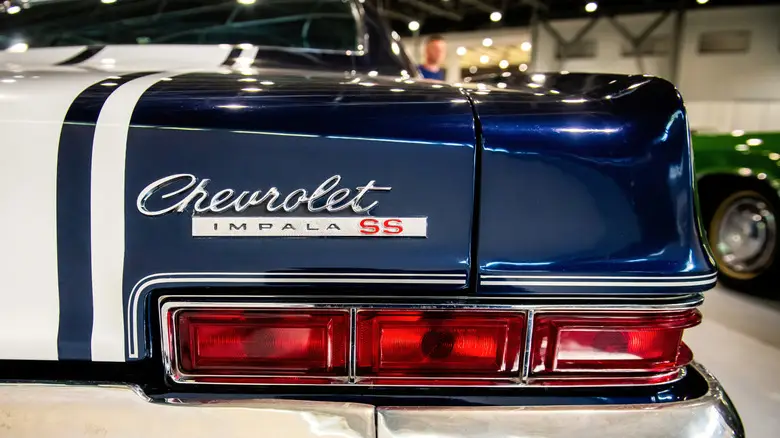
Ranked by the highest horsepower available on regular-production SS models, the five generations also chart a change in what Chevrolet’s performance-badged full-size sedan meant: from big-displacement V8 power to front-wheel drive and, briefly, a supercharged V6.
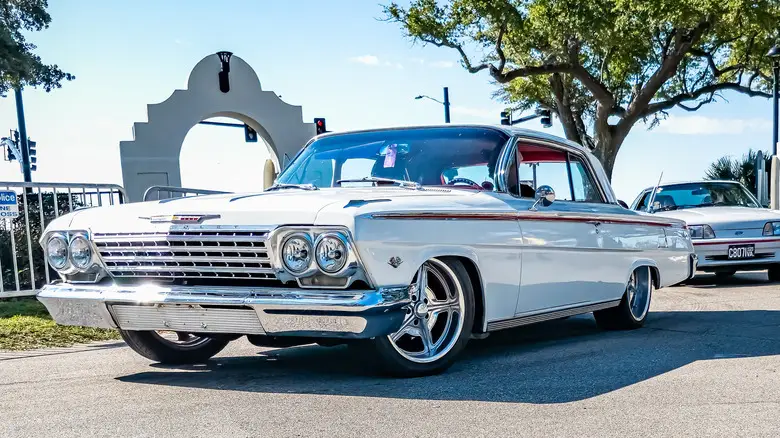
1. 1961–1964: up to 425 hp
The SS badge arrived in 1961, two years after the Impala became a standalone model. That first SS offered several 348-cubic-inch V8s rated at 305, 340 or 350 hp, alongside a 409-cubic-inch V8 rated at 360 hp. Chevrolet raised the stakes the next year, offering the 409 with dual four-barrel carburetors and a 409-hp rating.
For 1963, the 409 reached 425 gross hp. Solid lifters, dual exhausts and an 11:1 compression ratio were part of the recipe. The same 409 continued in the 1964 SS. A separate 1963 Impala, the lightweight Z11 drag car, used a 430-hp 427-cubic-inch V8, but it wasn’t an SS or a regular-production model; only 57 were built. That distinction matters when comparing the SS generations by their showroom offerings.
2. 1965–1969: up to 425 hp
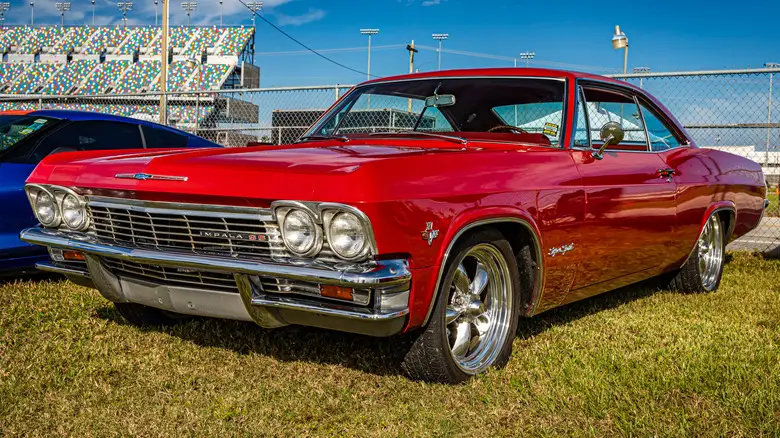
The second SS generation matched the first at 425 hp, this time with a different route to its peak. Chevrolet redesigned the Impala for 1965 with a sleeker shape and perimeter frame, replacing the previous X-type frame. The model sold 1,046,514 units that year, making it the best-selling single model of all time, and about 23% of those cars were SS versions. Impala SS cars from this generation still draw attention.
The SS could be ordered with the L78 396-cubic-inch V8, rated at 425 gross hp. In 1966, Chevrolet added the L72 427, also rated at 425 hp. Its forged crankshaft and pistons, solid lifters and dual exhaust underscored the engine’s performance focus. The SS 427 continued into 1967 and 1968 with the L36, rated at 385 hp; for 1969, its output rose to 390 hp. The peak remained equal to the earlier generation, even as the later years offered less power.
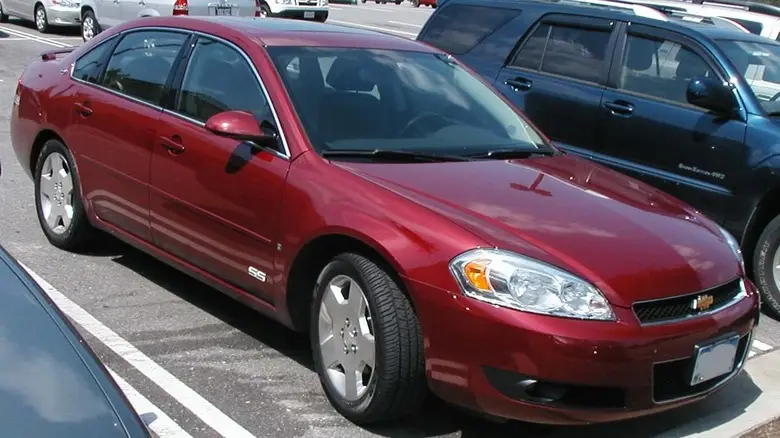
3. 2006–2009: 303 hp
The final Impala SS put a naturally aspirated 5.3-liter LS4 V8 under the hood, producing 303 hp. That was the highest rating of the modern generations, but the layout was a long way from the classic rear-drive V8 formula: this SS sent power to the front wheels through a heavy-duty four-speed automatic. Chevrolet also fitted an upgraded suspension, yet contemporary reviews questioned whether the sedan’s performance figures translated into an engaging drive. A 2006 Car and Driver road test criticized its emphasis on numbers over driver enjoyment.
The V8 replaced the supercharged V6 used in the preceding SS. The 2006 model’s reported zero-to-60-mph time was 5.6 seconds, a quick result for a full-size front-drive sedan of its era. The badge lasted through the 2009 model year.
4. 1994–1996: 260 hp
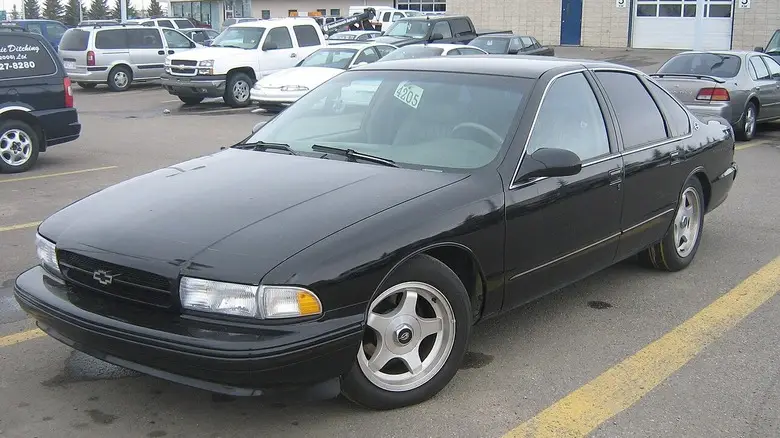
After a 25-year break, Chevrolet brought the SS back for 1994 with a rear-wheel-drive, full-size sedan powered by a 5.7-liter LT1 V8. Its 260 hp and 330 lb-ft of torque came from an engine related to those used in the Camaro and Corvette, but the Impala’s version had cast-iron cylinder heads and a different camshaft. LT1 specifications varied across applications, so the engine’s output shouldn’t be treated as identical across those cars.
Based on the Caprice, the Impala SS weighed about 4,300 pounds. Its zero-to-60-mph time was around seven seconds. Chevrolet added suspension upgrades, improved cooling, larger disc brakes and a limited-slip differential. Five-spoke alloy wheels, restrained exterior trim and leather upholstery helped set it apart from its work-focused relatives.
For 1996, the column shifter moved to the center console and a tachometer joined the instrument panel. The final-year cars have since developed collector appeal, with low-mileage examples attracting interest.
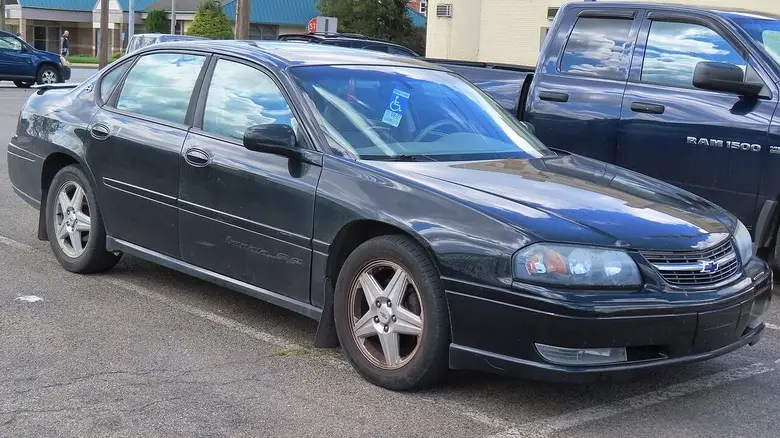
5. 2004–2005: 240 hp
The 2004–2005 SS is the outlier: it’s the only generation with a V6, and its 240 hp is the lowest peak in the lineup. The 3.8-liter Series II engine used an Eaton supercharger, giving it a broad torque band. It also marked the first front-wheel-drive Impala SS, based on the sedan Chevrolet had introduced for the 2000 model year.
A four-speed automatic handled power delivery. Chevrolet also fitted larger anti-roll bars, modified springs and Goodyear performance tires; the car’s reported zero-to-60-mph time was 6.5 seconds. Four round taillights, black-only exterior paint, a small rear spoiler, leather upholstery and SS badges provided the visual cues. Production ended after 2005, when the more powerful V8 SS arrived.
The 1960s cars lead on advertised horsepower, but their gross ratings can’t be directly compared with the net figures from later models. For buyers and enthusiasts, the more useful dividing line is the hardware: the early SS cars paired rear-wheel drive with large V8s, while the later versions brought front-wheel drive, automatic transmissions and, in one case, a supercharged V6.