1970 Chevrolet El Camino SS LS6 454: Why This One-Year Model Is So Sought After
The 1970 El Camino SS LS6 paired a 450-hp V8 with a car-and-truck layout, making it a rare and highly prized entry in the model’s history.
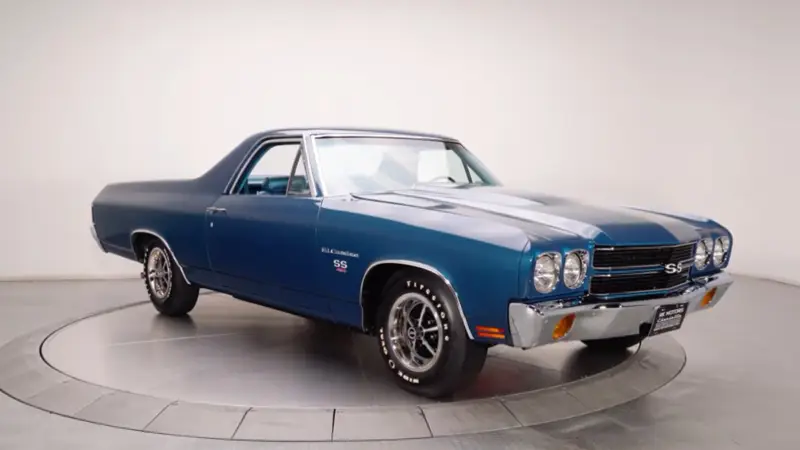
The 1970 Chevrolet El Camino SS LS6 454 stands out because it combines two things that rarely meet in one vehicle: an open cargo bed and a high-output muscle car engine. Its 454-cubic-inch V8 was rated at 450 horsepower and 500 pound-feet of torque, and Chevrolet dropped that specific engine from the El Camino after 1970. That brief run, paired with the truck’s performance, helps explain why collectors prize this model year.
The El Camino’s appeal also rests on its unusual place in Chevrolet’s lineup. It offered the front-end styling and mechanical underpinnings of a passenger car, with a bed behind the cabin. That gave it a different character from a conventional pickup, while its muscle car hardware let it compete on performance terms with far less practical machines.
From Ford’s ute idea to Chevrolet’s second attempt
Chevrolet wasn’t the first automaker to build a production vehicle around a two-door car and an open bed. Ford of Australia engineer Lew Bandt developed the 1934 Ford Model 40-A Light Delivery, often described as the original factory-made ute. Depending on how the term is defined, some accounts also point to Volvo’s 1927 OV4.
The more immediate influence on Chevrolet was Ford’s 1957 Ranchero. Built on a full-size Ford platform, the Ranchero found enough buyers to make the format look commercially promising. Chevrolet followed with a full-size El Camino in 1959. That version lasted only through 1960 before the name disappeared for several years.
Chevrolet brought the El Camino back in 1964, this time using the intermediate platform shared with the Chevelle. The change gave the model a closer connection to the growing middle-size performance market. By 1970, the El Camino SS could share the Chevelle’s strongest engine option, giving buyers muscle car power in a body that could still carry cargo.
The LS6’s short run defines the 1970 model
Chevrolet introduced the 454-cubic-inch LS6 V8 for the 1970 Chevelle and its platform mate, the El Camino. The engine’s factory rating was 450 horsepower and 500 pound-feet of torque. Its equipment included a cast-iron block and heads, an 11.25:1 compression ratio, a four-bolt main block, a four-barrel Holley carburetor and a high-performance camshaft.
Those figures put the LS6 among the most powerful engines offered in production cars that year, according to the source account. The El Camino’s advantage was that it paired that output with a cargo bed. For a driver drawn to the LS6’s performance, the El Camino offered a distinctive alternative to the Chevelle: similar mechanical muscle, with more utility built into the body.
The 1971 El Camino SS 454 remained available, but it used the less powerful LS5 rather than the 1970 LS6. That makes the 1970 combination especially specific: the SS model, the 454 and the LS6 came together for a single model year. Buyers considering an example today should pay close attention to that distinction, since the engine designation changes the car’s place in the model’s history.
Scarcity and value are tied to the full package
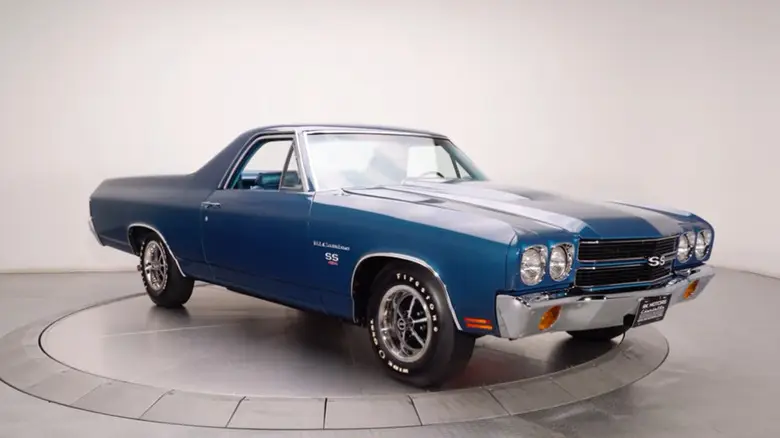
Exact production counts for the 1970 El Camino SS LS6 are difficult to establish. Hemmings reports that Chevrolet sold 4,475 vehicles equipped with the LS6 that year, counting both Chevelles and El Caminos. That figure doesn’t identify how many were El Caminos, so it gives a sense of the engine’s overall production without providing a precise count for this particular body style.
The combination’s rarity is only part of its collector appeal. The LS6’s output, the El Camino’s unusual car-and-truck shape and the engine’s one-year availability all reinforce one another. A buyer looking at the broader 1970 Chevrolet performance lineup can find the LS6 in the Chevelle too, but the El Camino adds a practical layout rarely associated with that level of power.
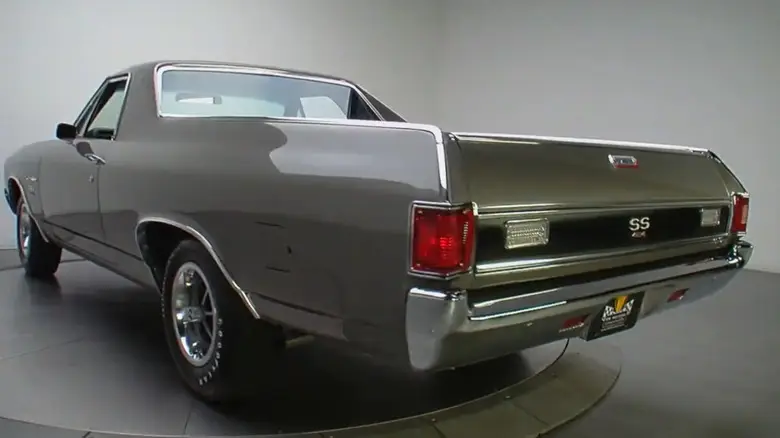
One 1970 El Camino SS LS6 454 sold for $275,000 at a Barrett-Jackson sale in 2023, a price that may represent the highest auction result for an El Camino. That single sale shows how much buyers can pay for a standout example, but it doesn’t set a guaranteed value for other cars. Condition, authenticity and the specific vehicle all matter in a market where auction results can vary sharply.
For enthusiasts, the 1970 model is the El Camino at its most performance-focused: a short-lived LS6 option, substantial factory-rated power and a body that brings genuine utility into the muscle car conversation. Its appeal depends on that complete package, and the engine’s disappearance from the El Camino after 1970 gives this model year a clear place to watch in the nameplate’s history.