EVs Could Reach 38% of New Vehicle Sales by 2030, Reshaping Insurance Costs
A projected 38% EV share could reshape insurance pricing, repair networks and buyer checks, with battery cover and service access key factors.
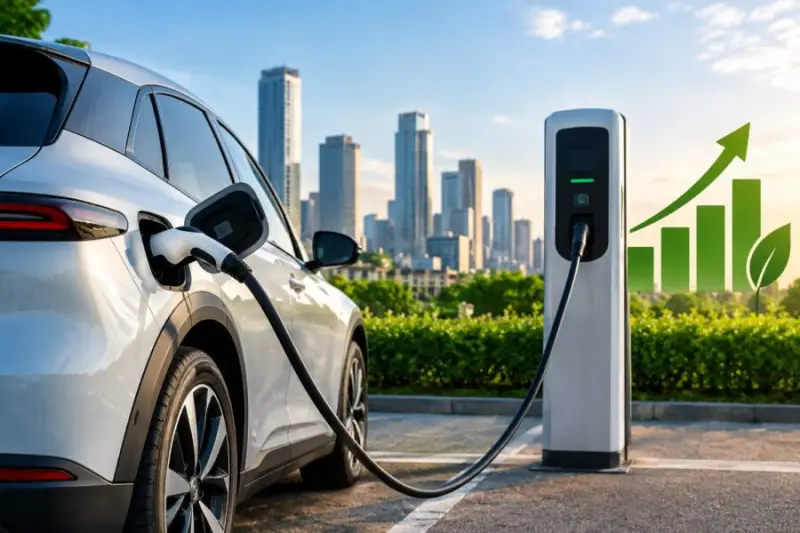
If electric vehicles reach 38% of new vehicle sales in 2030, insurers will have to adapt to a fleet with different repair costs, parts needs and claim patterns. For buyers, the practical issue is already clear: an EV policy’s treatment of the battery, charging equipment and repairs can matter as much as its headline premium.
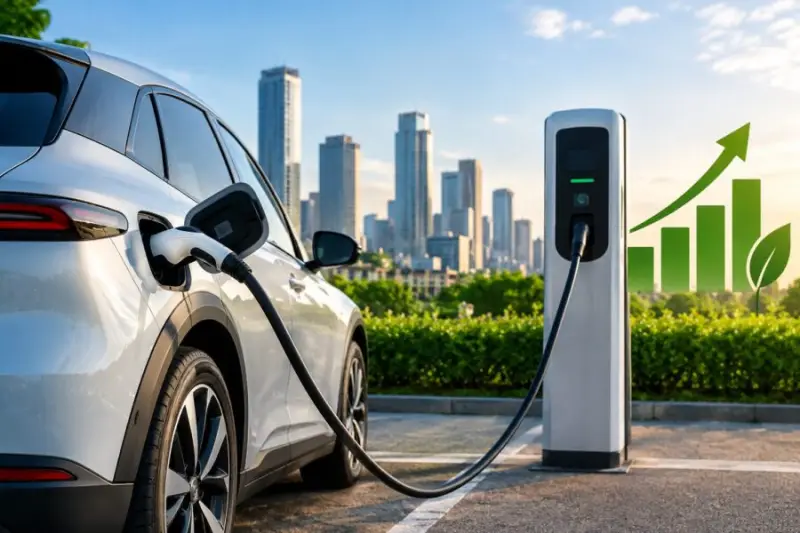
The projection, reported in a study covered by the Harvard Gazette, points to EVs becoming a much larger part of the new-car market. Falling battery costs, more charging access, incentives and a broader choice of electric models are among the factors supporting that shift. The pace will matter to insurers, which need claims experience to understand how often repairs are needed and what they cost.
Why EV claims can cost more
Electric cars have fewer moving parts in their drivetrains than petrol or diesel models, but that doesn't automatically make them cheaper to repair after a collision. Battery packs and electronic systems can be expensive, and repairs may call for specialist skills, diagnostic tools and service facilities. Parts may also be less widely available, with some supply tied to the vehicle maker.
Battery placement adds another consideration. Many packs sit beneath the cabin floor, where they can be exposed to impacts from road hazards or high speed bumps. Damage may be difficult to assess and repair. In some cases, an insurer may judge an EV a total loss after an accident that might not have that outcome for a conventional car, because the cost or feasibility of battery repair changes the calculation.
EVs are also heavier on average because of their batteries. Insurers consider a range of vehicle and repair factors when estimating claims, so differences in weight, component costs and repair access can all shape the risk picture. The source material does not provide a direct comparison of claim frequency or average repair bills, which means buyers should focus on the policy terms available for the specific model they’re considering.
Premiums depend on the cover
Premiums for electric cars are often higher than those for comparable petrol models, with much of the difference falling on the own damage portion of cover. Battery and electronics repairs can raise the amount an insurer expects to pay after a claim. As more claim data builds and repair networks expand, pricing may become more stable; that remains a direction to watch rather than a promise that EV premiums will fall.
India’s third party car insurance pricing uses engine capacity for petrol and diesel cars and battery capacity, measured in kilowatts, for electric cars. EVs have also carried discounted rates to encourage adoption. Third party cover pays for injury or property damage caused to others; it does not pay to repair the policyholder’s own vehicle. An owner with only this cover would need to meet their EV repair costs themselves.
What EV buyers should check
Policy wording can vary between insurers, so buyers should look beyond the premium when comparing cover. Start with the battery: check whether damage is included under own damage cover, and read the exclusions for water damage and battery wear. The terms should make clear what happens when a pack is damaged and whether repair or replacement costs are covered.
- Check whether damage during home or public charging is covered.
- Confirm that roadside assistance includes flatbed towing, which can be relevant when an EV needs transport to a suitable repair facility.
- See whether the portable charger and cable are covered.
- Review zero depreciation and similar add-ons to understand whether they apply to the battery pack.
- Ask whether the insurer works with service centers equipped to repair the specific EV.
These details affect what ownership looks like after a claim. A policy can include battery cover yet still have exclusions that limit how much it pays or which repairs qualify. Buyers should also check whether their preferred service center appears on the insurer’s cashless garage list, and find out how claim estimates and approvals are handled. If the nearest suitable garage is far away, towing and waiting time may add friction even when the policy covers the damage.
Repair access is part of the ownership equation
Insurance cannot make a specialist repair network appear where one is scarce. Insurers need better information on battery condition and repair history, while garages need trained staff and appropriate diagnostic tools. Parts availability also affects how long a vehicle may remain off the road. These needs may be more difficult to meet in smaller cities, where buyers can have fewer approved service centers than drivers in major urban areas.
That makes local service access a useful check before purchase. Buyers can compare the car maker’s service locations with the insurer’s cashless network and ask how the vehicle would be transported if it needed work elsewhere. A repair estimate that takes time to approve can keep a car out of use longer, so claim handling and workshop access deserve attention alongside the price of cover.
A 38% EV share in new sales by 2030 would put more pressure on insurers and repair networks to build experience with batteries, specialist labor and parts supply. For now, buyers can reduce uncertainty by checking battery terms, charging cover and repair access against the model they intend to own—and by comparing policies again at renewal as prices and coverage options change.