Toyota’s Scion Kei-01 Brings a 660cc Mini Truck to the US
The US-built, right-hand-drive Scion Kei-01 is a 25-mph fleet truck with 4WD, a 600-pound payload and production planned for Indiana in 2027.
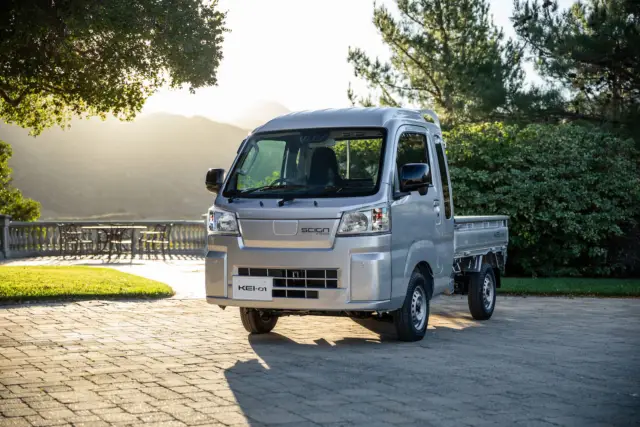
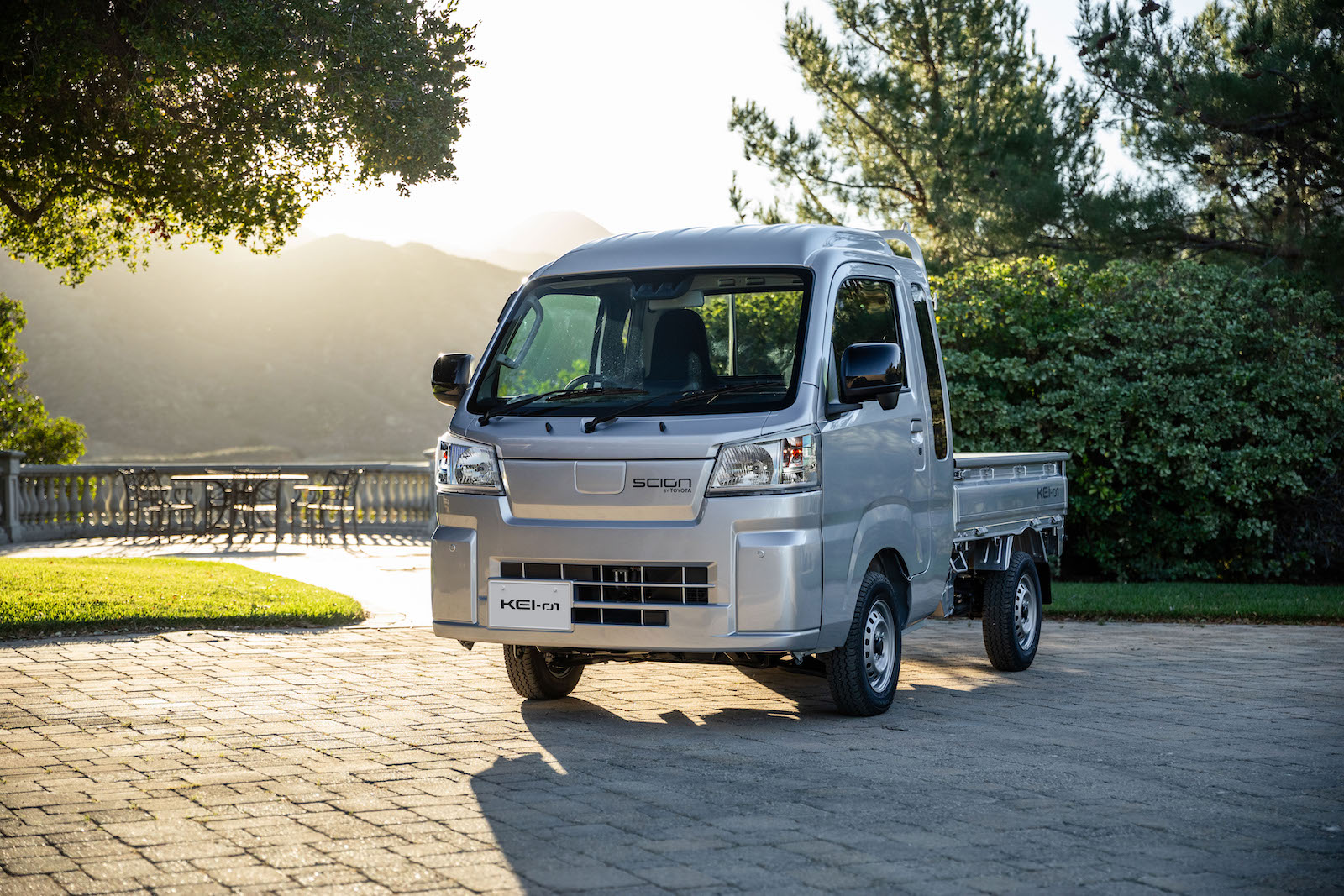
The Scion Kei-01’s appeal in the United States rests on a clear trade-off: it brings the dimensions and working layout of a Japanese kei truck, but its 25-mph speed limit confines it to low-speed use. Toyota plans to build the right-hand-drive truck in Indiana and initially sell it to fleets through selected dealers.


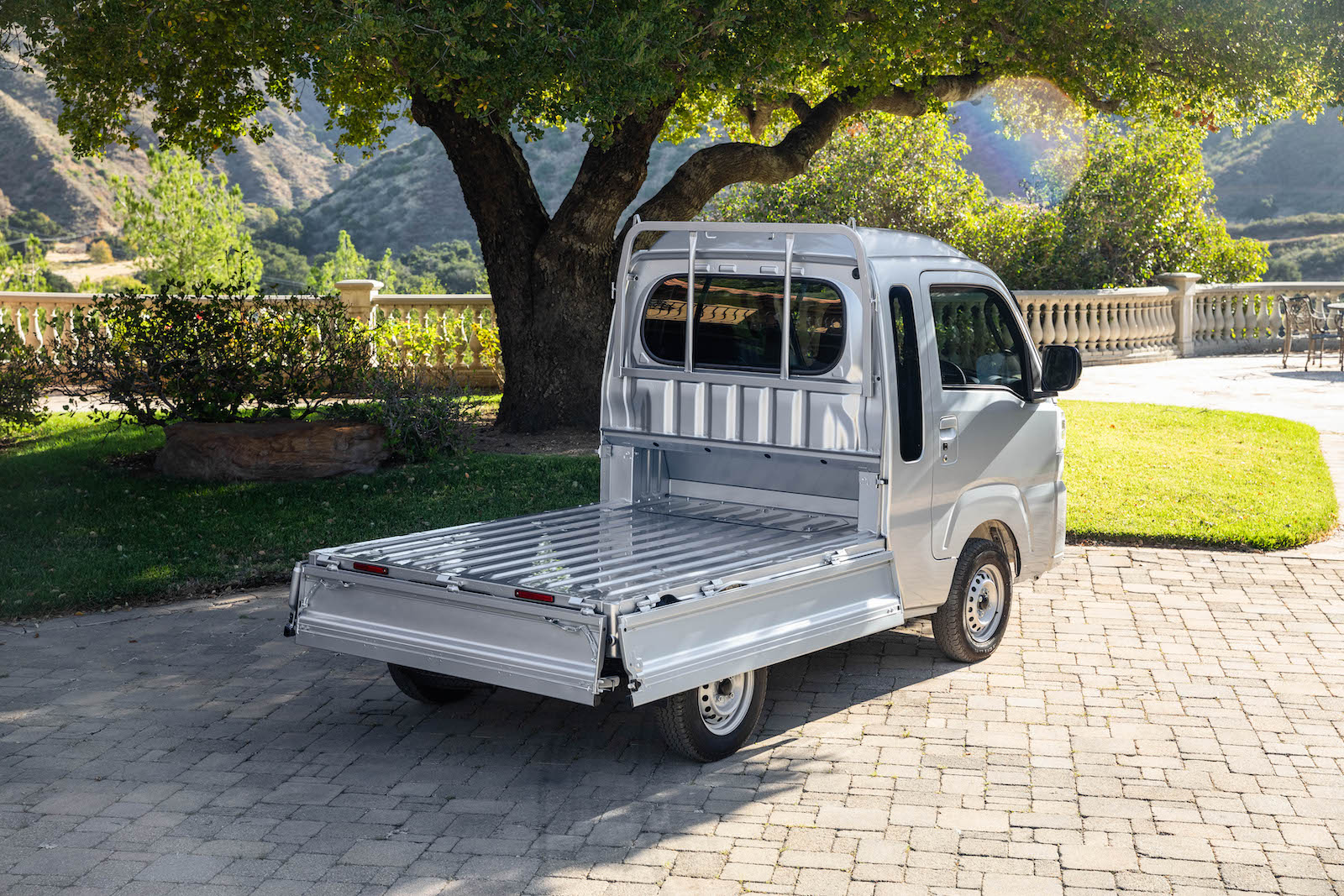
A kei truck configured for low-speed US use
Under the Scion badges, the Kei-01 is a Daihatsu Hijet Jumbo, an extended-cab variant of the 10th-generation Hijet. Its 660cc three-cylinder engine and compact dimensions follow the Japanese kei-car formula. In Japan, the Hijet Jumbo can exceed 70 mph, but the US version will be configured to meet FMVSS No. 500, the federal standard for low-speed vehicles.
That classification caps the Scion at 25 mph and rules out highway driving. The speed ceiling defines the truck’s likely role more than its engine size does: it could suit work across campuses, large sites and other places where journeys stay local and traffic moves slowly. It won't serve as a conventional pickup for road trips or routine highway commutes.
Work-focused equipment, with a 600-pound payload
Toyota will fit four-wheel drive as standard, paired with a continuously variable automatic transmission. In Japan, Hijet buyers can choose two-wheel drive and a manual gearbox, but those configurations aren't listed for the US-market Kei-01.
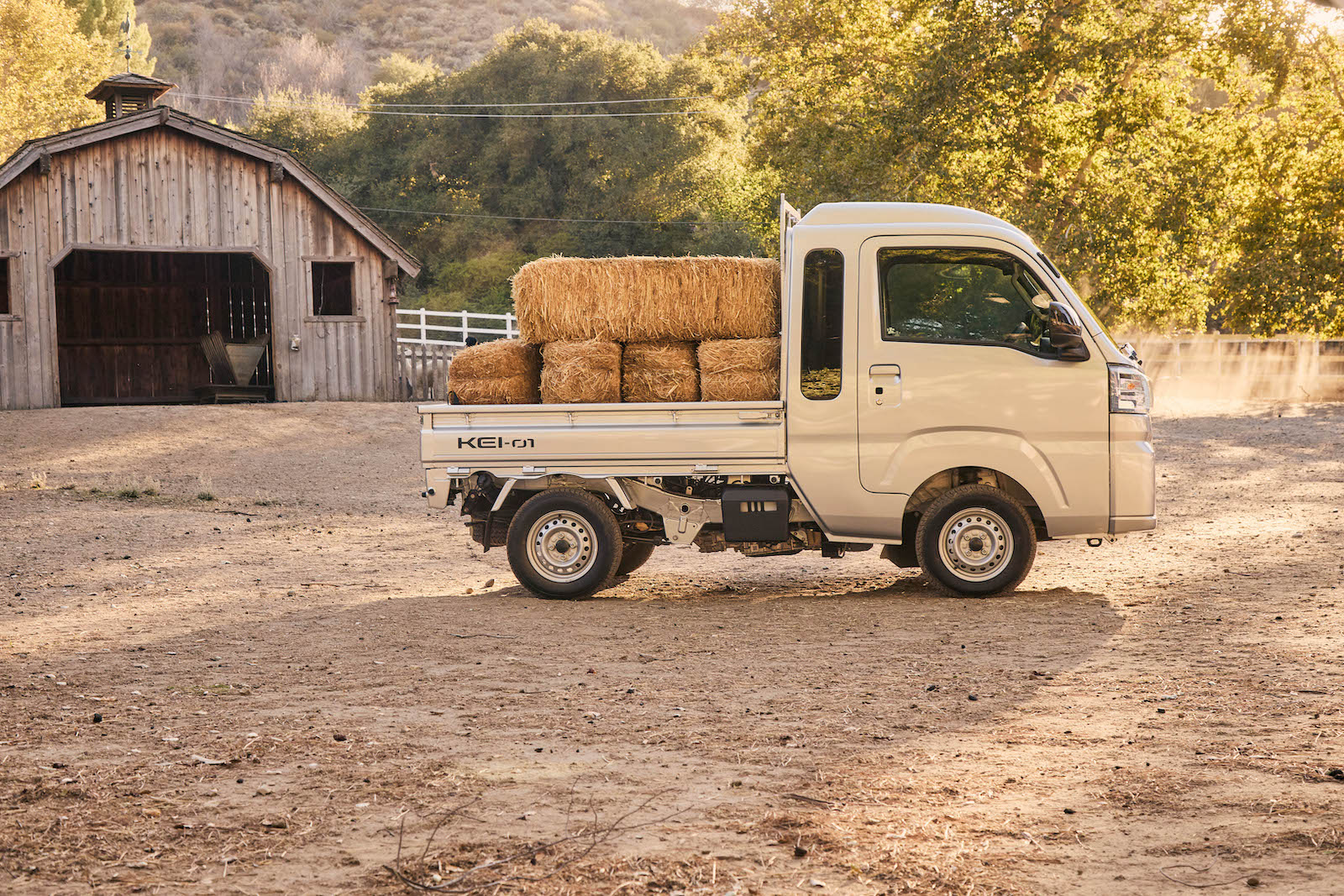
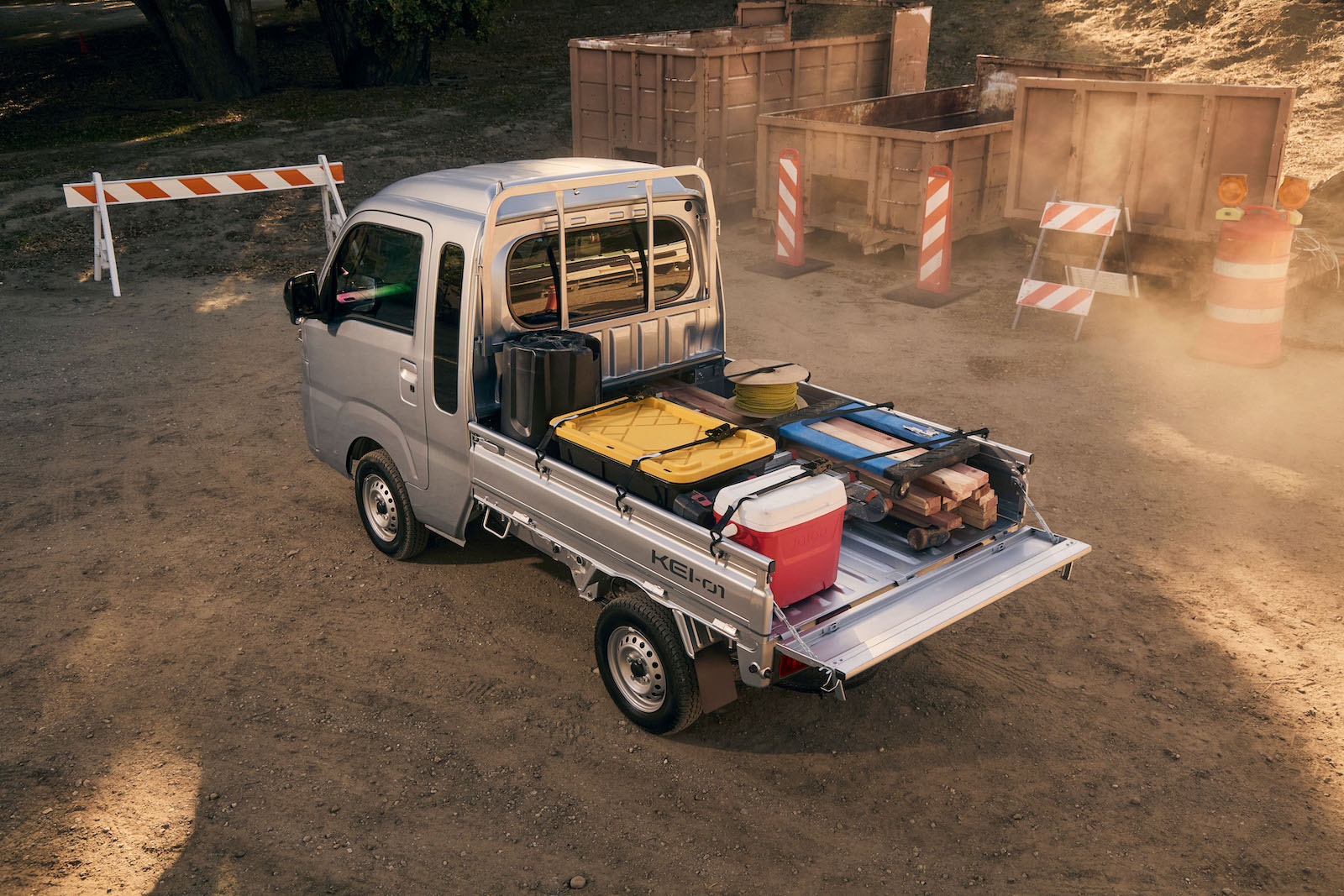
The bed has three fold-down sides and a low floor, with a stated payload capacity of up to 600 pounds. That combination points to easier loading and access in confined work areas, while the extended cab provides space beyond the basic cab-and-bed layout. The published payload figure gives buyers a useful starting point, though the source doesn't provide bed dimensions or other capacity details for assessing particular loads.
A comparison circulating online puts the bed’s flat area on par with that of a crew-cab Ford F-150, with a larger usable area if the cab cutout is counted. That comparison is a visual reference, not a substitute for measured cargo dimensions. For fleet buyers, the truck’s actual fit will depend on the shape and size of the loads they carry, as well as its 600-pound limit.
Fleet sales first, with retail demand still uncertain
Toyota plans to offer the Kei-01 through fleet sales at first. Purchases will be handled by selected Toyota dealers authorized to sell Scion models. The company may consider retail sales later if demand supports them, but hasn't committed to a timetable or confirmed that individual buyers will get access.
US pricing also remains unannounced. For context, a Hijet Jumbo starts at ¥1.419 million in Japan, approximately $8,950. That Japanese starting price doesn't establish what the US-built Scion will cost, particularly as the US model's equipment and sales terms may differ.
Production is scheduled to begin in the second half of 2027 at Toyota’s plant near Princeton, Indiana. The planned local build gives Toyota a route to introduce a vehicle that otherwise might seem poorly matched to American roads: the low-speed classification points toward contained operating environments, while the familiar pickup form offers a practical tool for on-site jobs.
Scion returns as a small-vehicle concept brand
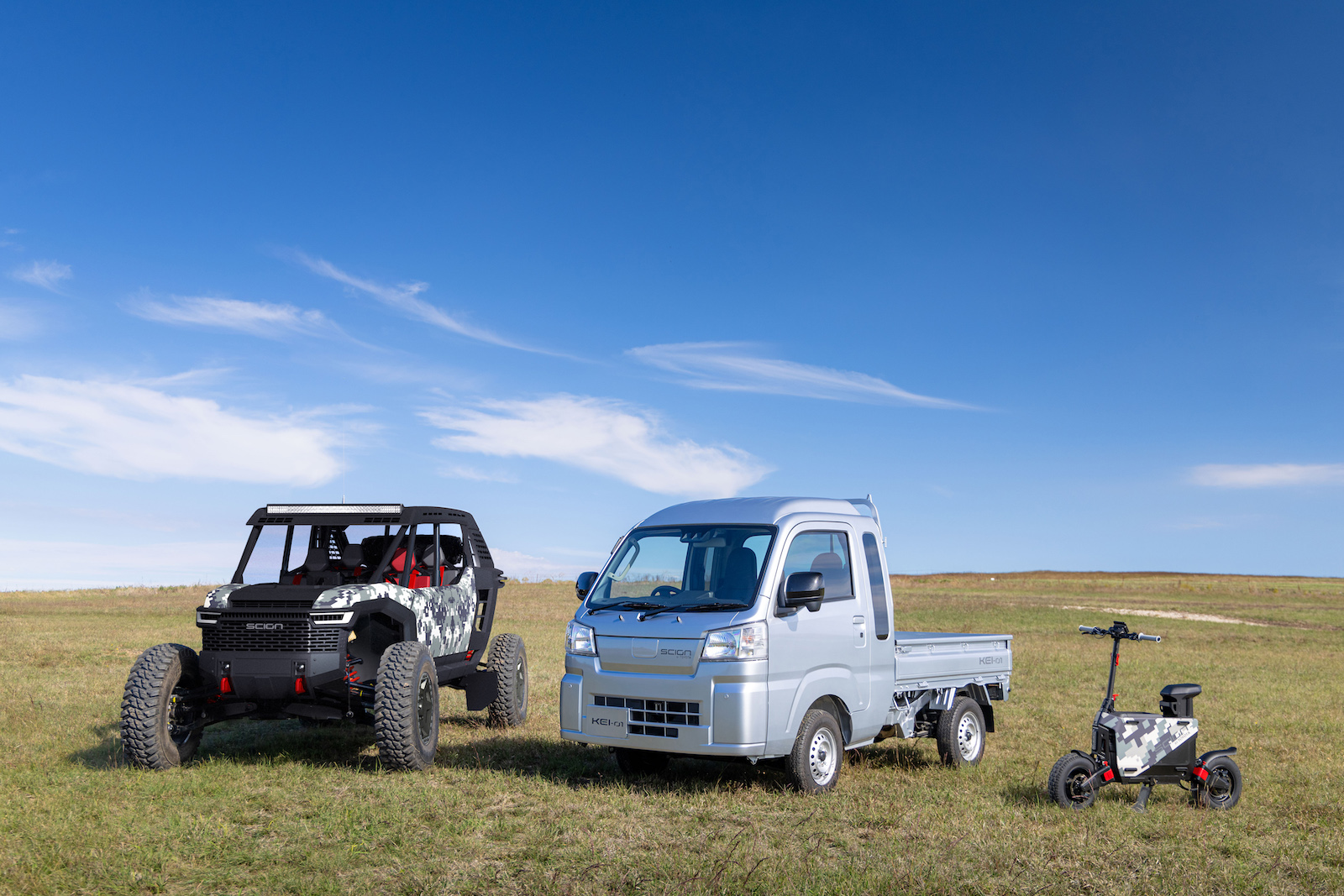
The Kei-01 also marks the return of Scion, which Toyota discontinued in 2016. Toyota describes the revived name as a “freedom lab,” drawing on the experimental approach associated with the earlier brand. Alongside the truck, it showed two concepts that suggest a broader interest in compact and recreational vehicles.
The BKE Concept is a foldable electric bike, with a format reminiscent of the Honda Motocompacto. The SxS Concept is a side-by-side with 300 horsepower, intended for desert driving and rock crawling. Those concepts broaden the brand’s scope, though the Kei-01 is the only vehicle here with a stated production plan.


For drivers, the key questions remain practical: how the US price compares with other work vehicles, which fleet customers Toyota targets, and whether the initial low-speed setup can find enough buyers to justify retail availability. With production planned for late 2027 and no US price yet, the Kei-01’s near-term significance is its unusual mix of a Japanese mini-truck layout and American-built fleet utility.
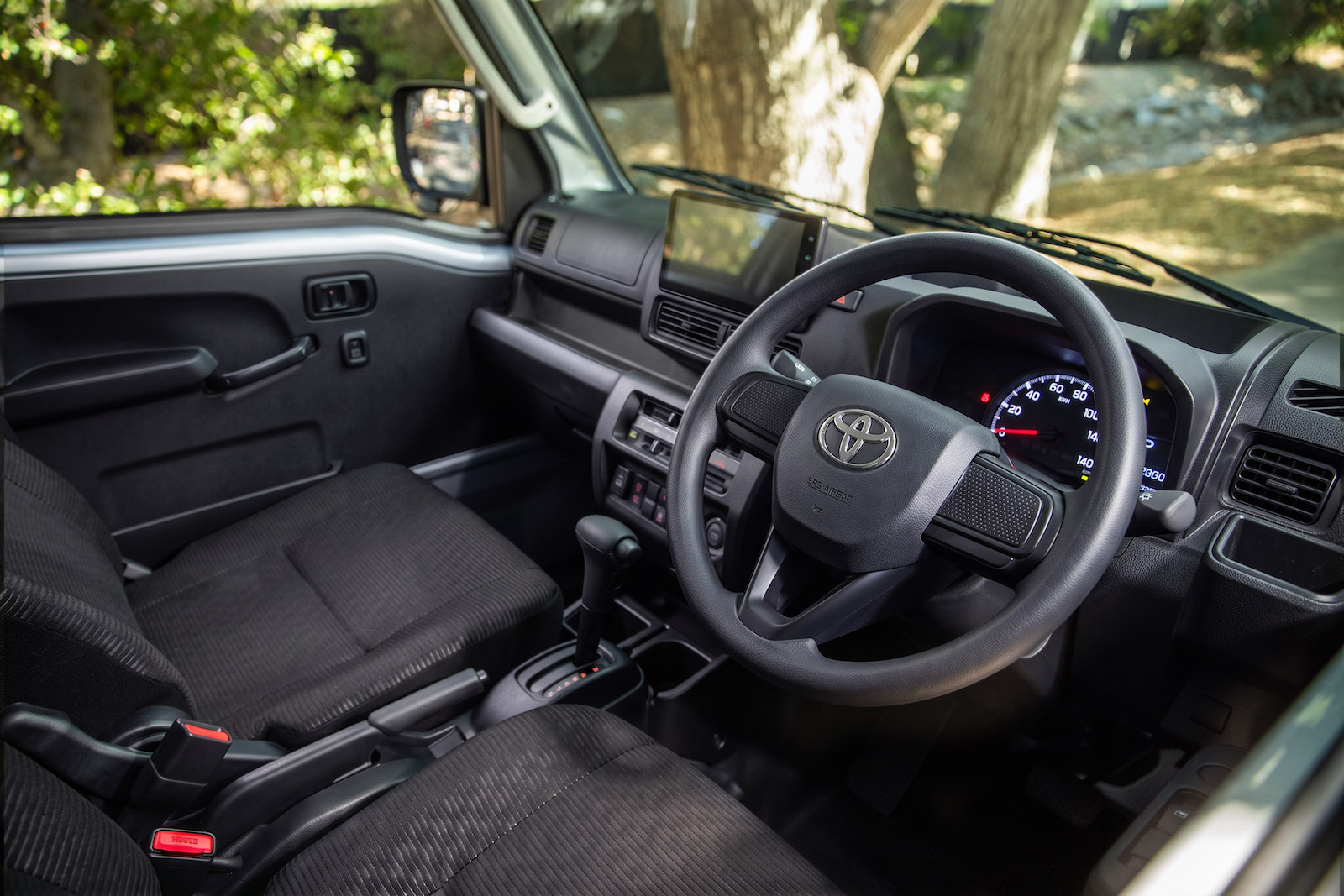


Inside, the truck keeps the straightforward layout of the Hijet Jumbo introduced in 2014. Climate controls use sliders, and the window switches have a simple, older-style design. That approach may suit a work vehicle where drivers need familiar controls, though the supplied details don't describe infotainment or other cabin equipment.
Images courtesy of Toyota.