Japan Automotive Hall of Fame 2026: R32 GT-R, Hino Contessa and Early Denso EV Honored
The 2026 class spans the R32 GT-R, Hino’s final passenger car, an early Denso electric vehicle and people who shaped Japan’s auto industry.

The 2026 Japan Automotive Hall of Fame class brings together vehicles from very different chapters of Japan’s automotive history: a touring car legend, Hino’s final passenger car, a postwar electric vehicle and an early domestically built bus. The selections also recognize three people whose work shaped how Japanese cars were understood, imported and used.
That range gives the class its strongest thread. Its vehicles mark distinct turning points, from establishing domestic manufacturing to building performance cars with international racing ambitions. The individual inductees add contributions in journalism, traffic safety and the import business.
The R32 GT-R returns the name to competition

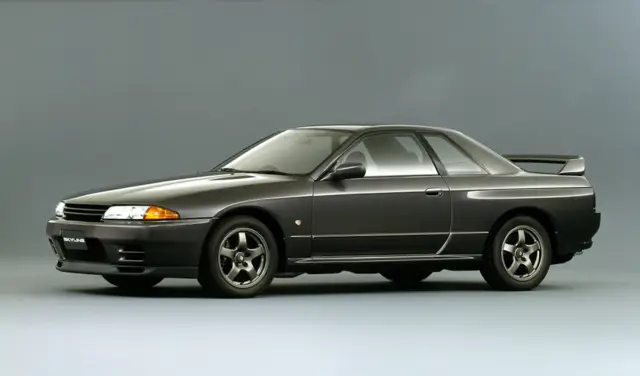
Nissan’s 1989 Skyline GT-R, chassis code BNR32, revived a name associated with the company’s touring car success in the late 1960s and early 1970s. The recipe paired a twin-turbocharged inline six with electronically controlled all-wheel drive, while the car was built to FIA specifications for Group A competition.
On track, the R32 again made the GT-R a force in Japanese touring car racing. It won every race it entered in the country’s leading touring car series during its four years of production. The Hall of Fame credits the model with rekindling performance driving in Japan. For enthusiasts, the significance goes beyond its specification sheet: the R32 connected a revived road car name with a clear, sustained competition record.
Hino’s passenger car finale
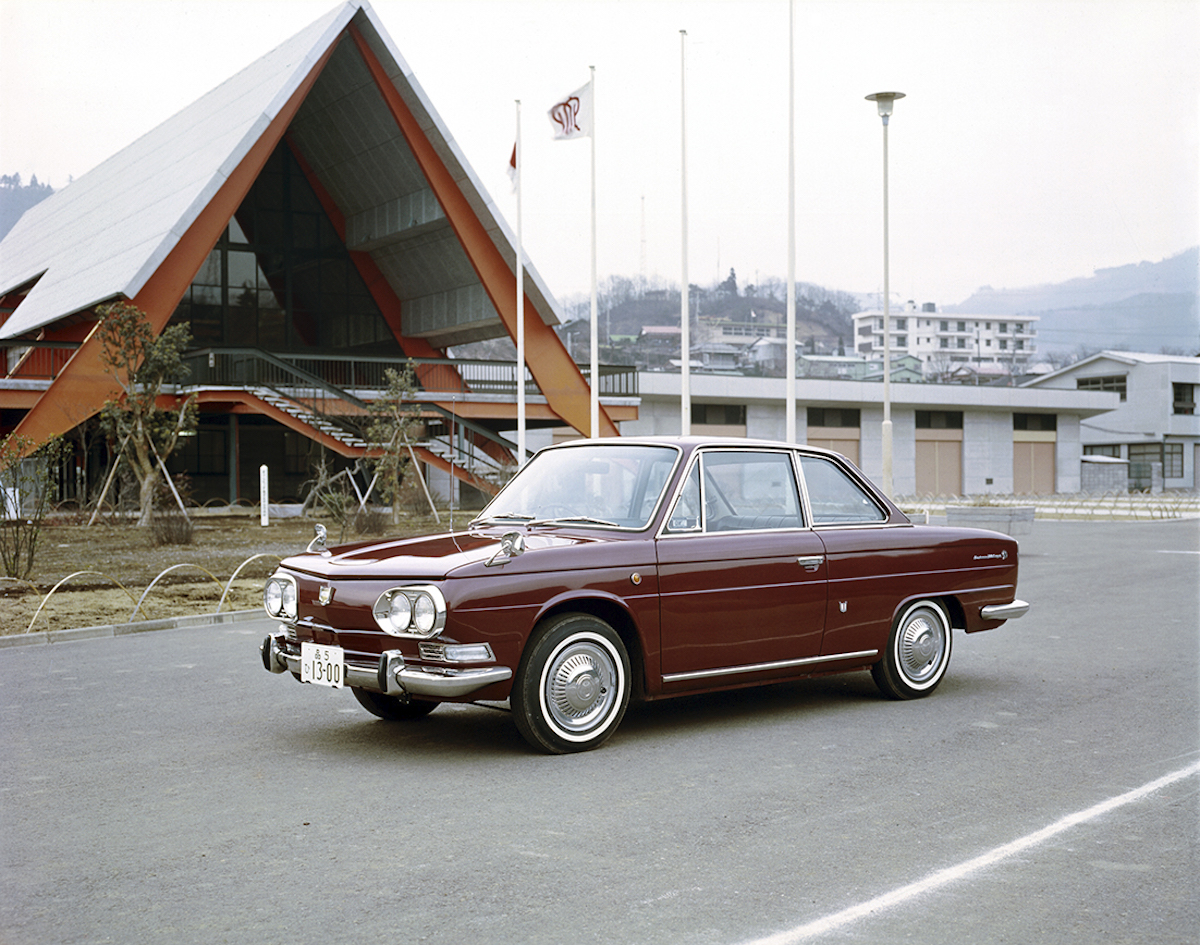
The 1965 Hino Contessa 1300 Coupé represents the peak of Hino’s passenger car work. Its grille-less body, designed by Michelotti, stood out from conventional styling of the period. Beneath it sat a rear-mounted, 1.3-liter overhead-valve four-cylinder engine rated at 65 PS.
The Contessa’s design also found recognition beyond Japan, winning three consecutive design concours in Italy and Belgium between 1965 and 1967. Hino merged with Toyota in 1966, during a period of consolidation in Japan’s auto industry, and subsequently focused on trucks. That makes the Coupé more than a distinctive design exercise: it became the final high point of a passenger car program that did not continue.
An electric vehicle built for postwar shortages
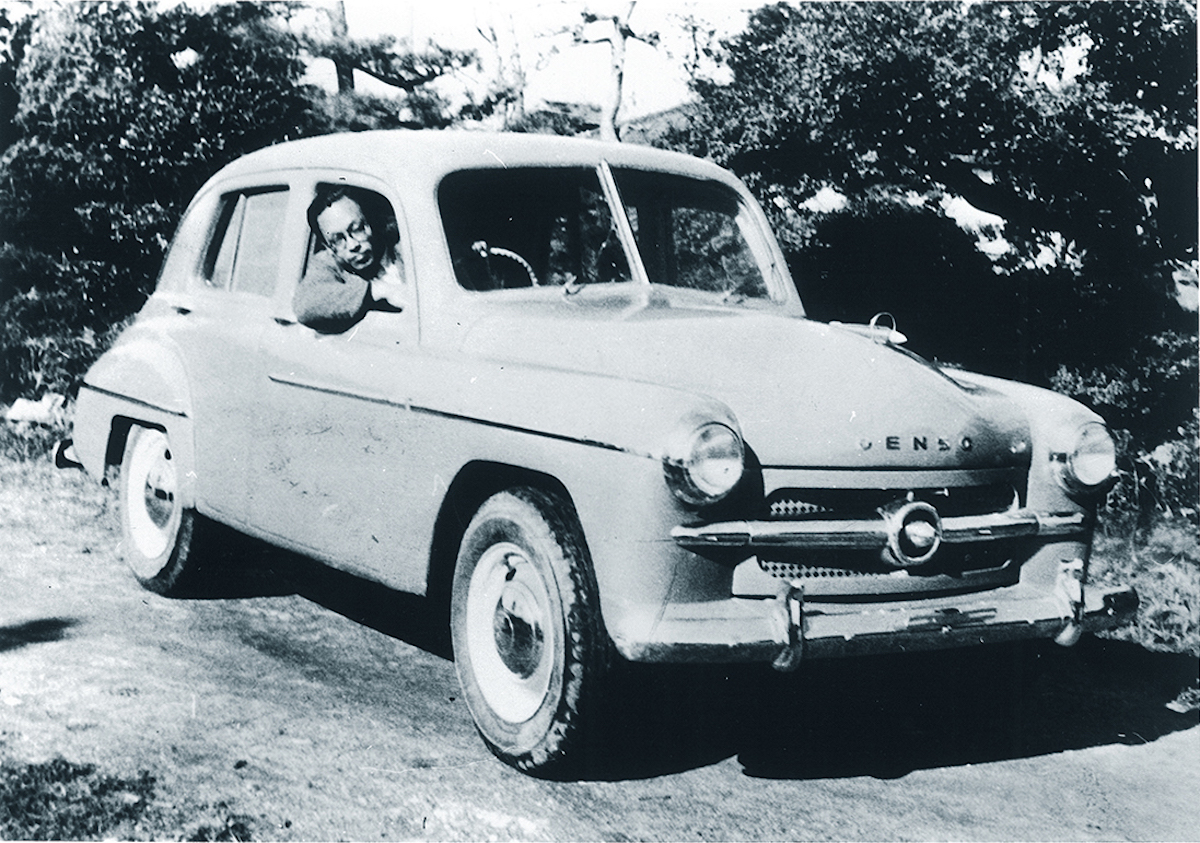
Denso is best known today as an automotive parts supplier, but in 1950 it built a complete electric vehicle. The Denso-go was developed amid postwar fuel shortages, with a reported range of 122 miles per charge and a top speed of 26 mph. Those figures describe a vehicle aimed at a very different mobility need from today’s performance or long-distance EVs: making limited fuel go further.
Production stopped after 50 examples when lead became scarce following the outbreak of the Korean War. Denso restored one vehicle in 2009 to mark the company’s 60th anniversary. The Denso-go’s place in the class highlights how electric drive has appeared in Japan under different circumstances, shaped in this case by the availability of fuel and materials.
Isuzu’s early domestic manufacturing milestone
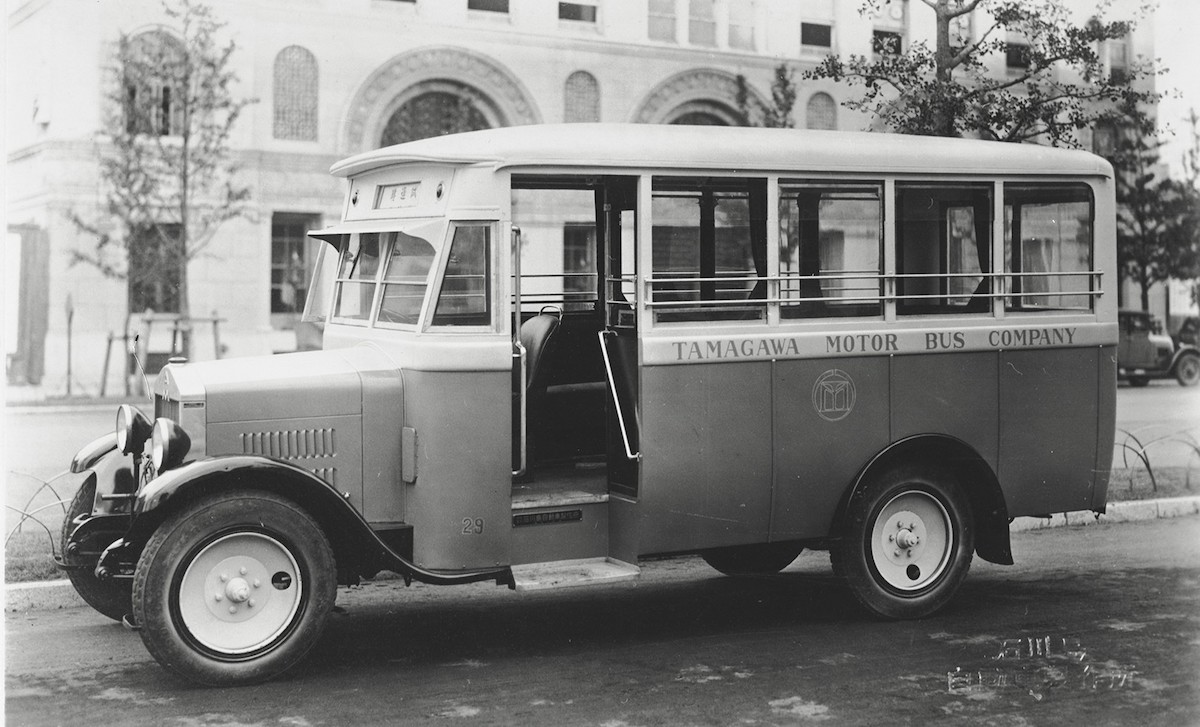
Production of the Isuzu Sumida M-type bus began in 1929. It was the first bus produced entirely in Japan and marked the beginning of Isuzu’s domestic vehicle manufacturing. Its name came from the Sumida River, which runs through Tokyo near the factory where it was built.
Power came from a 2.7-liter water-cooled inline-four. The bus also had a role beyond the factory milestone: it became part of Japan’s public transportation network. Its inclusion broadens the class beyond passenger cars, showing how commercial vehicles helped establish the country’s early manufacturing base and served everyday transport needs.
People recognized for shaping the industry


Three individuals join the 2026 class. Automotive journalist Kyoichi Yamaguchi was among the first writers to cover Japanese cars in English, helping introduce the country’s industry to readers in the West. Haruo Suzuki pioneered community-built “near miss maps,” a way to gather information about close calls and support traffic safety work.
Chotaro Yanase founded Japan’s largest foreign car importer, beginning with a Buick in 1915. His businesses expanded into truck and bus coachbuilding and a car auction house. Yanase became known for importing Mercedes-Benz, Volkswagen, Fiat, Ferrari and Porsche vehicles in Japan. Together, these inductees reflect different routes by which the auto industry reaches drivers: through reporting, shared road experience and access to overseas marques.
Current models complete the class


The awards also include current vehicles and technology. Toyota’s Arene software, found in the Toyota RAV4, takes Technology of the Year. The ZE2 Nissan Leaf wins Design of the Year, while the Volvo ES90/EX90 is named Import Car of the Year. Car of the Year goes to Nissan’s E53 Elgrand.
These contemporary selections sit alongside the historical inductees, linking the class’s early manufacturing and engineering milestones with present-day products. The overall lineup is a reminder that Japan’s automotive story has been built through varied work: racing, passenger car design, electric mobility, buses, software and the businesses that connect cars with buyers.