Lexus LC Production Ends After 35,155 Cars, Closing a Japanese V8 Era
The final LC left Motomachi in August 2026. Across 35,155 cars, Lexus’ naturally aspirated V8 grand tourer became a rare holdout.
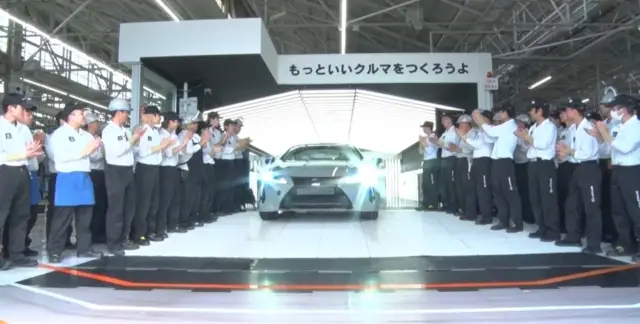
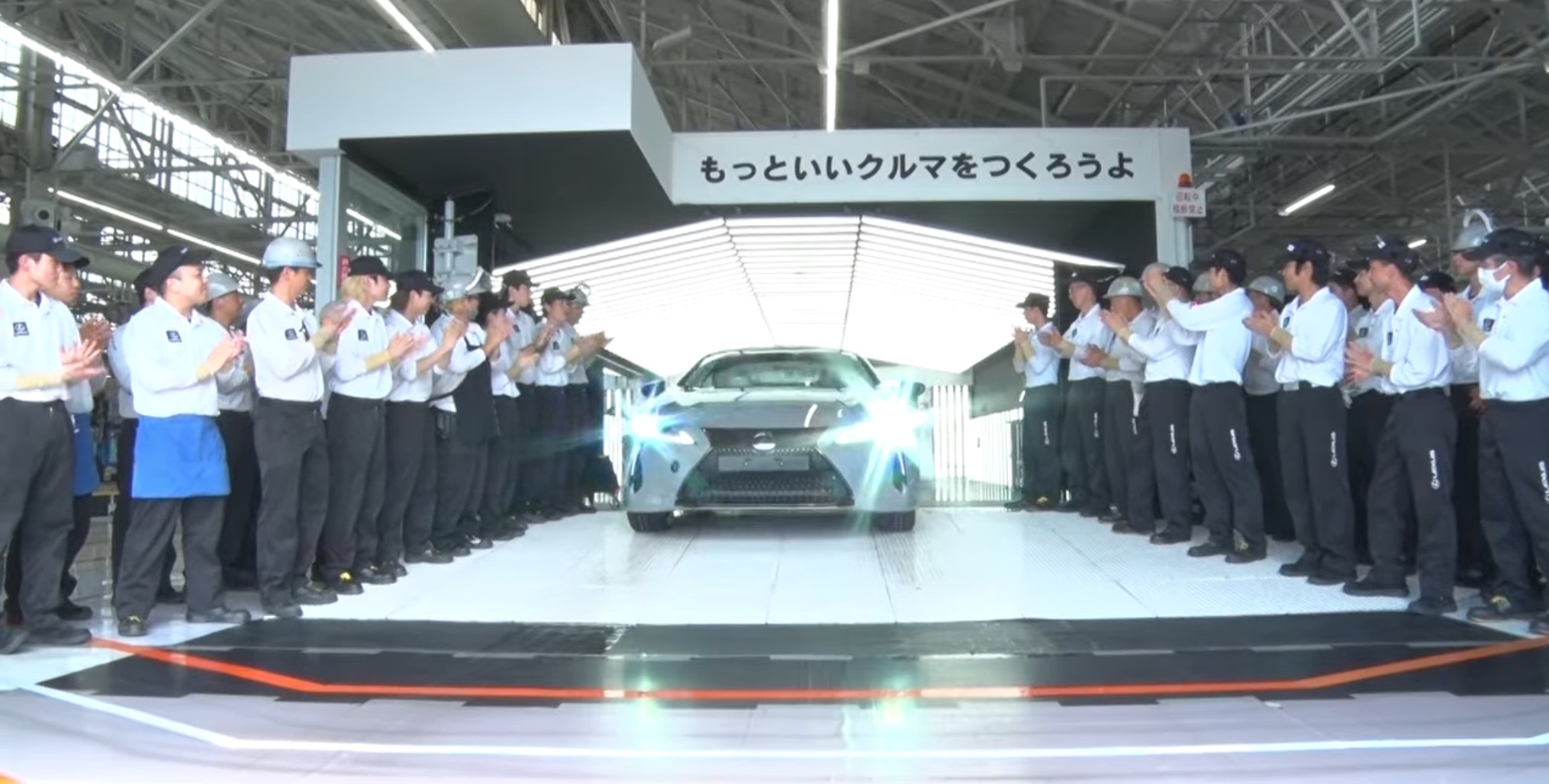
The Lexus LC leaves behind a combination that has become exceptionally hard to find: a luxury grand tourer with a naturally aspirated V8, styled around a concept car’s dramatic proportions and built in Japan. The final example left Toyota’s Motomachi plant on August 22, 2026, ending a nine-year run that produced 35,155 cars. Lexus marked the occasion with a video from the factory.
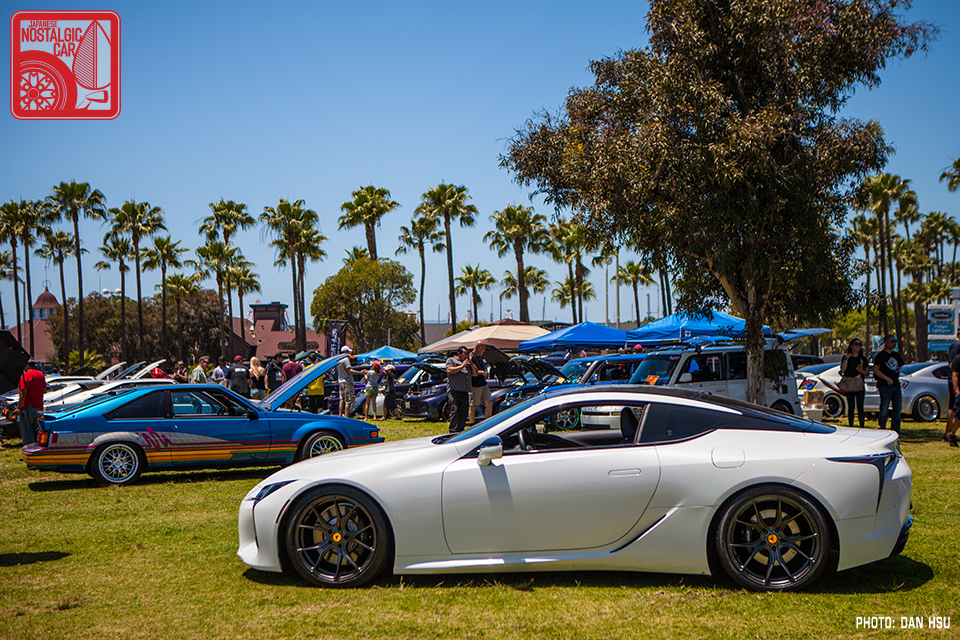
For buyers, the LC’s appeal now rests partly on what it was and partly on what it represents. Its 5.0-liter V8 makes 471 horsepower without turbocharging or hybrid assistance. The source identifies the LC500 as the last Japanese car powered entirely by a naturally aspirated V8. That distinction gives the coupe a place in a shrinking category, while its restrained design and long-distance GT character set it apart from more overtly aggressive luxury performance cars.
A concept that reached production
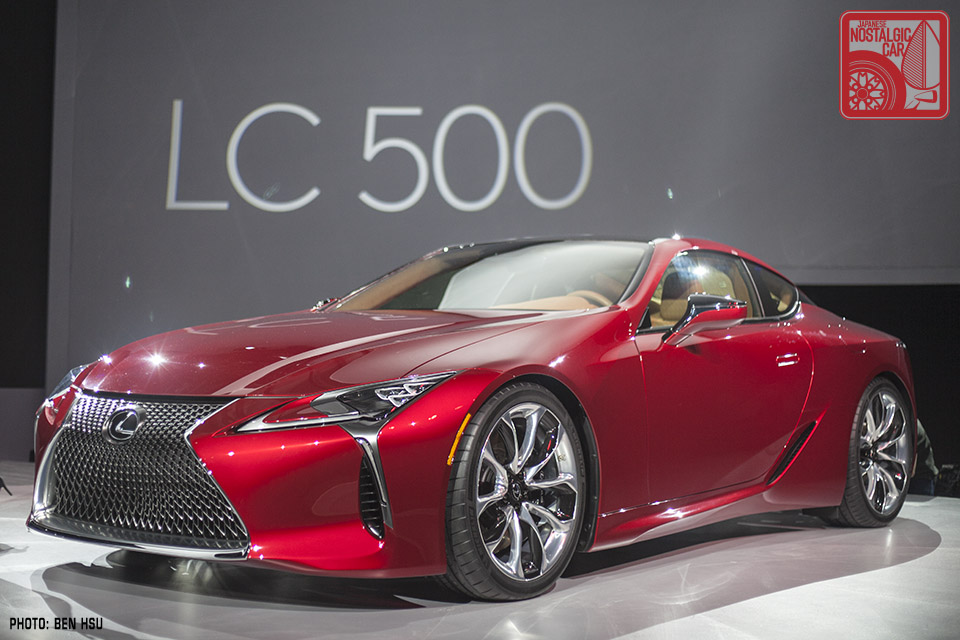
The LC began as the LF-LC concept, shown at the 2012 Detroit Auto Show. Its reception was strong enough that Akio Toyoda, then new to his role as Toyota president, approved a production version. Lexus even commissioned a second LF-LC concept so the pair could tour internationally and draw attention to the brand.
Turning that shape into a road car demanded more than adapting existing parts. The low, flowing body left little room for conventional packaging choices, while the long hood had to accommodate the 5.0-liter V8. Toyota spent five years developing the car. When the LC arrived in 2017, its production form remained unusually close to the concept’s striking outline.
That fidelity matters because the design was central to the car’s identity. The LC wasn’t simply a platform for a large engine; its sculpted body and low roof gave it a visual presence that few grand tourers matched. The engineering challenge was to make those proportions work as a production car while delivering the comfort and refinement expected of a Lexus coupe.
A different kind of performance car
When it first appeared, the LC had to compete for attention with German luxury performance models that made a more flamboyant statement. Its own case was quieter: a smooth, naturally aspirated V8, an elegant cabin and a shape that could command attention without relying on a track-focused image. Over time, that measured approach became a point of distinction.
The engine is a major part of the LC’s character. A naturally aspirated V8 delivers power without turbochargers, and the source describes the 2UR-GSE as among the smoothest and best-sounding engines of its kind. That experience is difficult to reduce to a horsepower figure. The response and sound of the engine are part of what separates the LC from performance cars built around smaller turbocharged engines or hybrid systems.
There was also room in the lineup for a more extreme version that never arrived. Rumors of an LC F persisted, but Lexus did not produce one. The standard car therefore remains the clearest expression of the LC idea: a polished grand tourer whose appeal comes from its design, V8 and road-going character rather than a more focused performance derivative.
Motomachi’s final build
Motomachi has built a long list of notable Toyota and Lexus vehicles, including the Supra, Soarer, Crown, Century, Mirai and Lexus LFA. The LC’s final assembly there gave its end a fitting setting. Engineers followed the Toyota directive to “Make the very last car the best,” and a sign above the assembly area declared a commitment to “Pouring our hearts into every unit.” Those words frame the final build as a deliberate effort by the factory team to finish the run with care.
The car’s market afterlife was already taking shape before production ended. Following word in January 2026 that the LC would be discontinued, special editions and 2024-and-later cars with the touchscreen interface saw increased interest in the used market. That shift suggests buyers were paying closer attention to specification and equipment as the supply of new LCs approached its end. The reported increase is a market observation; it doesn’t establish how prices or availability will change from here.
A lasting place in the GT class
The LC’s 35,155-unit run makes it a relatively uncommon choice beside high-volume luxury models, though the available information doesn’t provide a direct production comparison with rivals. Its buyer appeal is more specific: striking styling, a 471-horsepower V8 and a configuration that has become rare among Japanese cars. For prospective owners, the used market is now the place to look, with later touchscreen-equipped cars and special editions drawing particular interest.
What disappears with the LC is not just one coupe. It’s the combination of naturally aspirated V8 power and carefully restrained luxury in a purpose-built grand tourer. Lexus’ other cars used the 2UR-GSE, but none paired it with the LC’s design. The final car closes a distinctive chapter; for drivers who want that sound and response, the remaining examples are the ones to watch.