Nissan NX7 PHEV Starts China Pre-Sales With 320 km Electric Range
The Nissan NX7 pairs a 40.9 kWh battery with a 1.5-liter engine, starting at 129,900 yuan in China ahead of its November 27 debut.
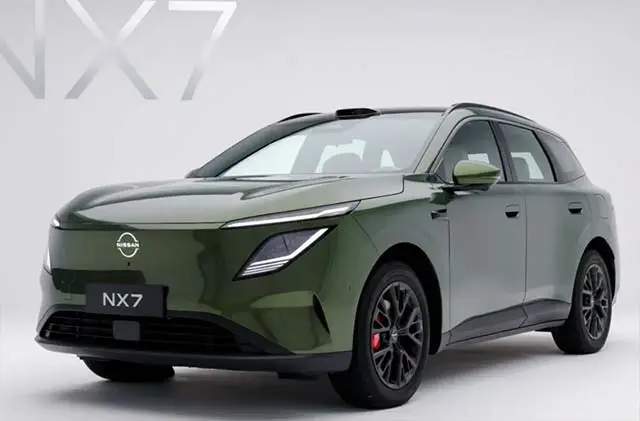
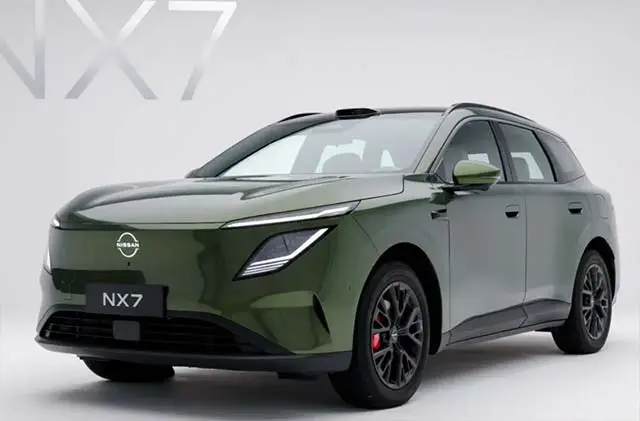
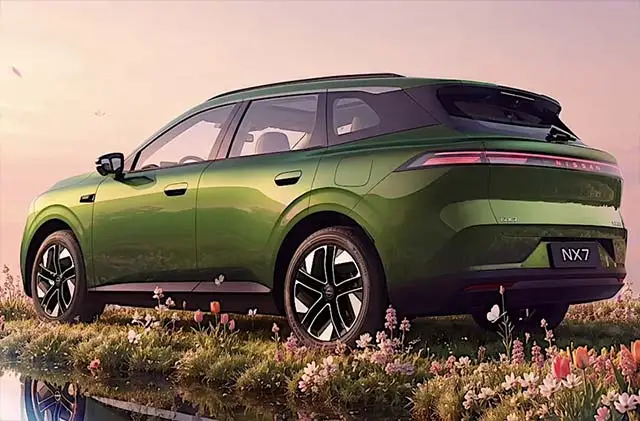
Nissan’s NX7 is built around an unusually large battery for a plug-in hybrid: its 40.9 kWh pack gives the family SUV a claimed 320 km of electric range on China’s CLTC cycle. Pre-sales opened on November 13, with prices from 129,900 yuan, ahead of the model’s November 27 market debut at the Guangzhou Auto Show.
That battery capacity gives the NX7 a different pitch from plug-in hybrids that treat electric driving as a short-distance supplement. Nissan says the SUV can cover up to 1,666 km with a full battery and fuel tank, combining long electric use with a gasoline engine for trips beyond the battery’s reach. Both range figures use the CLTC test cycle, which tends to produce higher estimates than methods used in Europe and North America. Actual distance will vary with speed, weather, route and driving style.
Three versions, with pre-sale prices from 129,900 yuan
Dongfeng Nissan is offering three NX7 configurations during the pre-sale period. The 320 Pro starts at 129,900 yuan, the 320 Max at 139,900 yuan and the 320 Ultra LiDAR Edition at 149,900 yuan. Those are pre-sale prices; the final amounts may change when sales begin.
Early buyers who place a 999-yuan reservation deposit can receive a 3,000-yuan purchase-price deduction. Clover Green and Wisteria Purple are among the exterior colors available at no extra charge during the promotional period. The listed prices and incentives apply to the China launch; Nissan has not confirmed availability in Europe or North America.
The NX7 is the fourth entry in Nissan’s N-series lineup in China and its second SUV, following the NX8. For buyers comparing electrified family vehicles, the key question will be how much of their routine driving fits within the NX7’s electric range and whether charging access makes regular plug-in use practical. The gasoline engine offers flexibility for longer journeys, but the supplied details don’t include fuel economy, charging time or charging power, which will matter when assessing running costs and day-to-day convenience.
Electric drive backed by a gasoline engine
The powertrain pairs a naturally aspirated 1.5-liter gasoline engine, rated at 73 kW (98 hp), with an electric motor producing up to 170 kW (228 hp). A 40.9 kWh lithium iron phosphate battery from CATL supplies the electric drive. Every version receives the same battery and claimed 320 km CLTC electric range.
The arrangement targets drivers who want to make many daily journeys on electricity while keeping a fuel-powered option for longer routes. Its claimed electric distance stands out within the plug-in hybrid category, though test-cycle range alone can’t establish how far it will travel in everyday use. Charging habits, temperatures and faster highway driving can all change the result. Nissan hasn’t provided charging specifications in the available model details, so buyers will need those figures to judge how easily the battery fits their routine.
Cabin technology and family practicality
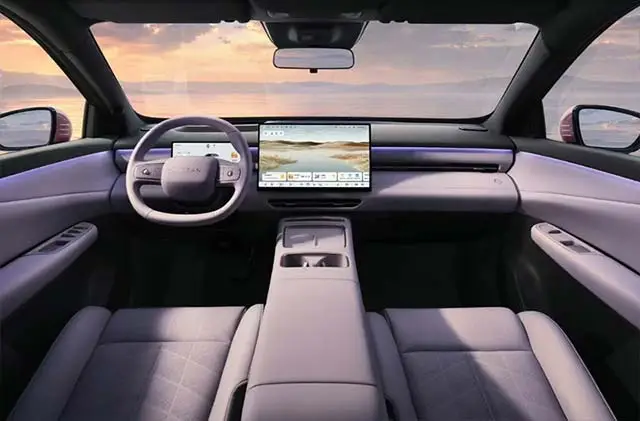
The dashboard centers on a 17.3-inch 3K infotainment screen, paired with a digital instrument display and Nissan OS 3.0. Qualcomm’s Snapdragon 8295P processor runs the infotainment system, while voice functions were developed with iFlytek. Higher-trim NX7s add a 55-inch augmented-reality head-up display for navigation and driving information.
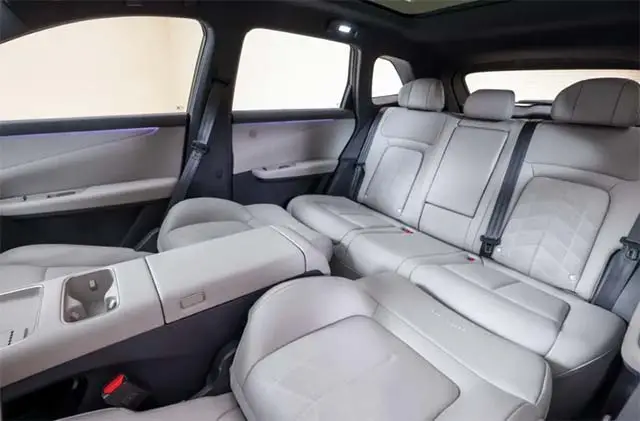
Comfort equipment includes heated, ventilated and massage-function seats. The front seats can recline into a bed-like position, and the cabin also has an onboard refrigerator and multiple storage areas. Nissan lists luggage capacity at 783 liters, increasing to 1,878 liters with the rear seats folded. Those figures suggest a focus on carrying capacity as well as screen and seat features, though the supplied specifications don’t detail cabin dimensions or how much passenger space is available with the cargo area fully loaded.
Nissan also includes its third-generation motion-sickness prevention technology. The automaker says it can reduce its motion-sickness index by as much as 83%. That figure is a manufacturer claim; the available details don’t explain the test conditions or how the system’s effect was measured.
LiDAR is reserved for the top trim
The 320 Ultra LiDAR Edition adds roof-mounted LiDAR sensors and the Momenta R7 driver-assistance system. Listed functions include highway and urban navigation assistance, assisted lane changes, guidance through complex intersections and automated parking. Nissan says the parking system covers more than 300 scenarios in China and can maneuver into spaces only 40 cm wider than the vehicle.
Those features place the top NX7 in a more technology-focused position than the entry model. The three-version range lets buyers weigh the price gap against the added sensors and assistance functions, while the common battery capacity means electric-range claims don’t vary by trim. The available information doesn’t specify which features are standard across the lower versions.
Nissan is adding the NX7 as competition intensifies among electric and plug-in hybrid vehicles in China. The N-series already includes the N7 electric sedan, N6 plug-in hybrid sedan and NX8 SUV. Dongfeng Nissan plans to add five more new-energy vehicles in China by summer 2027. The NX7’s combination of a substantial battery, gasoline backup and a starting pre-sale price of 129,900 yuan shows how the brand is tailoring its lineup to local demand. The next useful details for buyers will be final pricing, charging specifications and real-world range once the SUV reaches customers.